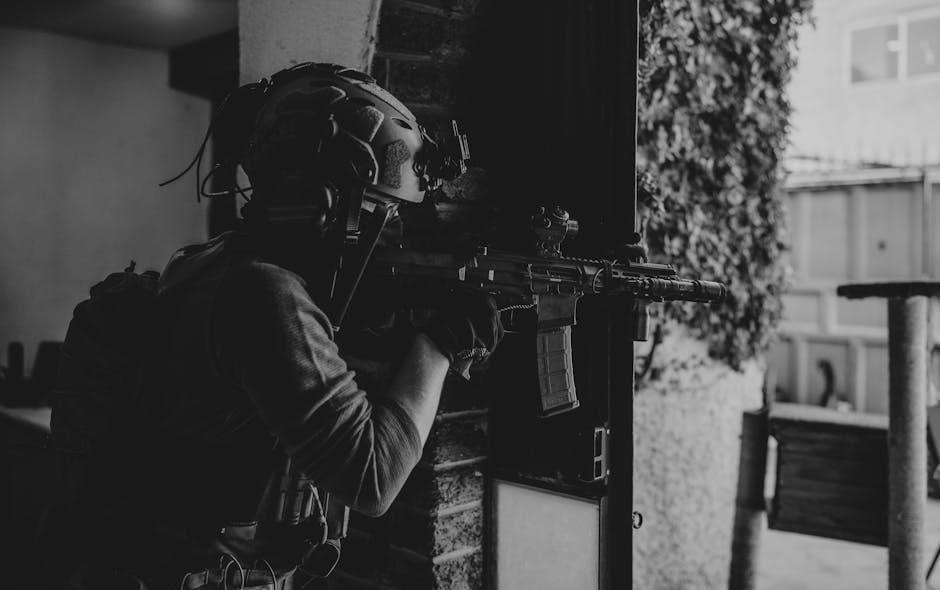
Special Forces represent a nation’s capacity for projection, operating discreetly in complex environments, as evidenced by French and British actions in Libya and Iraq.
Defining Special Forces
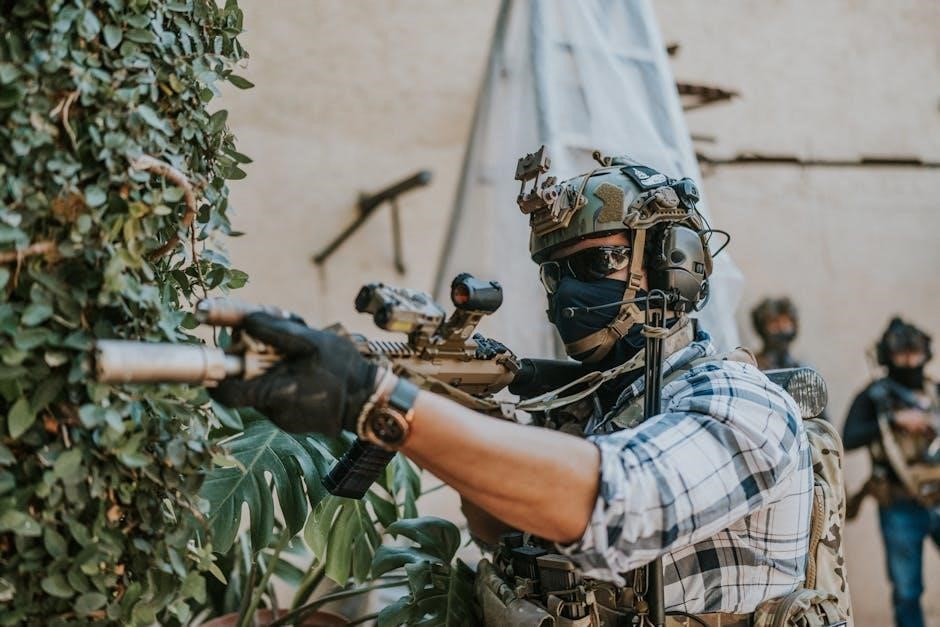
Special Forces are highly trained military units possessing distinct capabilities beyond conventional armed forces. They excel in unconventional warfare, direct action, special reconnaissance, and counter-terrorism, often operating in small, highly autonomous teams. These forces are characterized by their adaptability, resilience, and proficiency in specialized skills – including language, cultural awareness, and advanced weaponry.
Their operational scope extends to environments where conventional military action is unsuitable or carries unacceptable risks. France and the United Kingdom demonstrate this through covert operations, like those observed in Libya, highlighting the projection of power. The Sofins exhibition showcases the cutting-edge equipment vital for these specialized missions, emphasizing the technological demands placed upon them.
Historical Overview of Special Forces
Special Forces emerged from the necessity for specialized operations during wartime, evolving from small, irregular units to highly organized and technologically advanced entities. Early examples trace back to commando units formed during World War II, designed for raids and sabotage behind enemy lines. Post-war, the Cold War spurred further development, with a focus on counter-insurgency and unconventional warfare.
Modern iterations, like those seen in French and British deployments in Libya and Iraq, demonstrate a continued reliance on these specialized skills. The need for discreet exfiltration missions, as exemplified by French operations in Iraq, underscores their unique value. Events like Sofins highlight the ongoing evolution of equipment and tactics, reflecting a history of adaptation and innovation.
Types of Special Forces
Elite units like France’s Commandos Hubert and 1er RPIMa, alongside Britain’s SAS and SBS, and the US’s DEVGRU and Delta Force, exemplify specialized capabilities.
French Special Forces
France possesses highly-regarded special forces, demonstrating a capability to project power globally. These units are integral to France’s national security strategy and often operate with significant discretion.
Commandos Hubert represent a core component, known for their maritime counter-terrorism and special reconnaissance skills. Complementing them is the 1er RPIMa (1st Marine Parachute Infantry Regiment), a versatile force capable of operating in diverse terrains and undertaking a wide range of missions, including direct action and unconventional warfare.
French special forces were reportedly active in Libya, despite official denials, showcasing their operational reach. Furthermore, they executed critical exfiltration missions in Iraq in 2016, rescuing French citizens from areas facing imminent bombardment, highlighting their rapid response and operational effectiveness.
Commandos Hubert
Commandos Hubert are a premier maritime component of the French Special Forces, specializing in naval counter-terrorism, reconnaissance, and direct action within the maritime domain. They are highly trained to operate from and within the sea, utilizing specialized equipment and techniques for clandestine operations.
Their expertise extends to underwater demolition, boarding operations, and the securing of vital maritime infrastructure. Commandos Hubert frequently collaborate with other French special forces units and international partners, enhancing interoperability and expanding operational capabilities.
These commandos represent a crucial element in France’s ability to project power and protect its interests globally, particularly in coastal regions and strategic waterways. Their skills are essential for responding to a wide range of maritime security threats.
1er RPIMa (1st Marine Parachute Infantry Regiment)
1er RPIMa, the 1st Marine Parachute Infantry Regiment, stands as a cornerstone of French Special Forces, renowned for its airborne capabilities and diverse operational skillset. This elite unit excels in both conventional warfare and specialized missions, including reconnaissance, direct action, and counter-terrorism.
Highly adaptable, 1er RPIMa operatives are proficient in operating across a spectrum of environments – from arctic conditions to desert terrains – and are frequently deployed on international missions. They represent a key component of France’s rapid reaction forces, capable of swift deployment to global hotspots.
Their rigorous training and operational experience make them a highly valued asset, contributing significantly to France’s national security and its ability to project power internationally.
British Special Forces
British Special Forces are globally recognized for their exceptional skill, resilience, and operational effectiveness. Comprising primarily the Special Air Service (SAS) and the Special Boat Service (SBS), these units represent the pinnacle of the United Kingdom’s military capabilities.
Frequently operating in highly sensitive and challenging environments, British Special Forces undertake a wide range of missions, including counter-terrorism, direct action, reconnaissance, and hostage rescue. Their involvement in Libya, alongside French forces, demonstrates their commitment to international security.
Rigorous selection processes and intensive training ensure that only the most capable individuals are accepted into these elite units, solidifying their reputation as world leaders in special operations.
Special Air Service (SAS)
The Special Air Service (SAS) stands as one of the most renowned special forces units globally, originating during World War II. Its current role encompasses a broad spectrum of clandestine operations, including counter-terrorism, direct action against high-value targets, and covert reconnaissance.
SAS operators are known for their exceptional endurance, adaptability, and proficiency in a wide array of skills, from close-quarters combat to survival techniques. Their selection process is notoriously demanding, pushing candidates to their absolute limits.
The SAS’s involvement in various international conflicts, including operations alongside French forces, highlights its crucial role in addressing complex security challenges and projecting British influence.
Special Boat Service (SBS)
The Special Boat Service (SBS) is the maritime counterpart to the SAS, specializing in operations within the naval and littoral environments. Established during World War II, the SBS focuses on reconnaissance, direct action, and counter-terrorism activities conducted from the sea.
SBS operators are highly trained in underwater demolition, close-quarters battle in confined spaces like vessels, and maritime interdiction. They frequently collaborate with other special forces units, including the SAS, on joint operations requiring specialized maritime skills.
Like the SAS, the SBS maintains a high operational tempo and has been deployed in numerous conflicts, demonstrating the UK’s commitment to maritime security and rapid response capabilities.
US Special Forces
US Special Forces encompass a diverse range of elite units, renowned for their specialized capabilities and global operational reach. Two of the most prominent are DEVGRU (SEAL Team Six) and Delta Force (1st Special Forces Operational Detachment-Delta). These units represent the pinnacle of US special operations expertise.
DEVGRU primarily focuses on maritime counter-terrorism and direct action missions, often operating in high-risk environments. Delta Force, conversely, specializes in counter-terrorism, hostage rescue, and special reconnaissance, frequently undertaking clandestine operations.
Both units undergo rigorous selection and training, preparing operators for the most challenging missions worldwide, showcasing the US’s dedication to maintaining a robust special operations force.
DEVGRU (SEAL Team Six)
DEVGRU, officially known as the Naval Special Warfare Development Group, and popularly called SEAL Team Six, is the US Navy’s primary counter-terrorism unit. It excels in high-risk, maritime-focused direct action missions globally. Selection is intensely competitive, demanding exceptional physical and mental fortitude from prospective operators.
Their training encompasses advanced close-quarters combat, maritime operations, and specialized skillsets tailored for unconventional warfare. DEVGRU operators are frequently deployed to address critical threats, conducting hostage rescues and disrupting terrorist networks.
The unit’s operational secrecy and effectiveness contribute significantly to US national security, making it a cornerstone of the nation’s special operations capabilities.
Delta Force (1st Special Forces Operational Detachment-Delta)
Delta Force, formally the 1st Special Forces Operational Detachment-Delta (1st SFOD-D), is a US Army component specializing in counter-terrorism, direct action, and special reconnaissance. Renowned for its highly selective recruitment process and rigorous training, Delta Force operators are among the most skilled special operations soldiers in the world.
Their expertise extends to hostage rescue, counter-proliferation of weapons of mass destruction, and unconventional warfare. Delta Force frequently collaborates with other US special operations units and international partners on complex missions.
The unit’s adaptability and proficiency in diverse operational environments make it a vital asset in addressing global security challenges.
Special Forces Operations & Tactics
Special Forces excel in direct action, special reconnaissance, counter-terrorism, and unconventional warfare, demanding adaptability and precision in high-stakes, complex operational scenarios.
Direct Action Missions
Direct Action missions represent the aggressive end of the special operations spectrum, involving swift and decisive engagements against enemy targets. These operations are characterized by their proactive nature, aiming to disrupt enemy capabilities or seize critical objectives. Examples include targeted raids, ambushes, and sabotage operations, often conducted in hostile or denied areas.
Successful execution demands meticulous planning, precise timing, and overwhelming force application. Special Forces personnel are trained to operate with speed, surprise, and violence of action, minimizing collateral damage while maximizing mission effectiveness. The French and British involvement in Libya, though officially unacknowledged, likely involved elements of direct action to support specific strategic goals. These missions require specialized skills in close-quarters combat, demolitions, and unconventional tactics, ensuring a rapid and impactful response to evolving threats.
Special Reconnaissance
Special Reconnaissance is a core competency of special forces, focusing on gathering critical intelligence in high-risk environments. Unlike conventional reconnaissance, it often involves operating deep within enemy territory, utilizing stealth and deception to avoid detection. The goal is to provide commanders with real-time information about enemy dispositions, capabilities, and intentions.
This intelligence gathering can encompass a wide range of activities, including observation, surveillance, target identification, and human source exploitation. The French exfiltration missions from Iraq in 2016 demonstrate the need for precise intelligence to navigate complex and dangerous situations. Successful special reconnaissance relies on highly trained operators, advanced surveillance technology, and robust communication networks, enabling them to operate independently and deliver actionable intelligence that shapes strategic decision-making.
Counter-Terrorism Operations
Counter-Terrorism Operations are a significant focus for many special forces units globally, demanding rapid response capabilities and specialized skills. These operations often involve hostage rescue, neutralizing terrorist threats, and disrupting terrorist networks. Success hinges on meticulous planning, precise execution, and the ability to operate in dynamic, high-pressure environments.
Special forces are frequently deployed to address immediate threats and prevent future attacks, requiring extensive training in close-quarters combat, explosive handling, and crisis negotiation. The need for such expertise is underscored by the evolving threat landscape and the increasing sophistication of terrorist organizations. Their ability to project force quickly and decisively makes them invaluable assets in safeguarding national security and protecting civilian populations from acts of terrorism, as seen in various global interventions.
Unconventional Warfare
Unconventional Warfare represents a core competency for many special forces, involving operations against enemy forces utilizing tactics beyond conventional military methods. This includes training and advising resistance movements, conducting sabotage, and gathering intelligence within hostile territories. Success relies on building relationships with local populations and exploiting vulnerabilities within enemy infrastructure.
These operations often require cultural sensitivity, linguistic proficiency, and the ability to operate discreetly for extended periods. Special forces excel at enabling indigenous forces to achieve their objectives, minimizing external intervention and fostering self-sufficiency. This approach is particularly relevant in complex geopolitical landscapes where direct military engagement is undesirable or impractical, demonstrating a nation’s ability to influence events through indirect means.
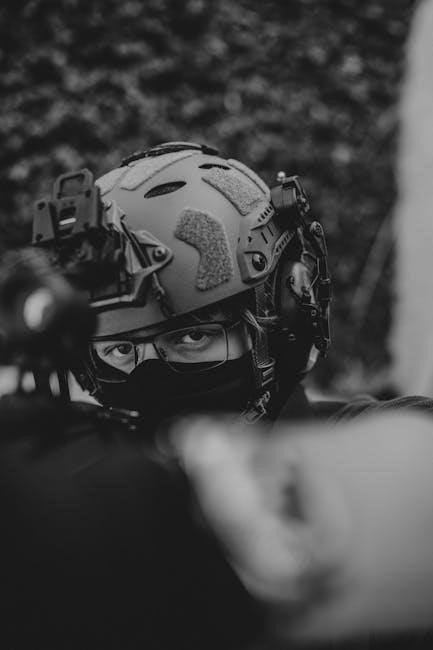
Equipment and Training
Special Forces require specialized weaponry, communication systems, and rigorous physical and psychological preparation, showcased at events like Sofins, ensuring operational effectiveness.
Weapons and Armament
Special Forces necessitate highly adaptable and advanced weaponry, moving beyond standard military issue. This includes precision rifles – often suppressed for covert operations – and a diverse range of sidearms suited for close-quarters combat. Explosives and breaching tools are crucial for direct action missions, alongside specialized ammunition types designed for specific tactical scenarios.
Furthermore, modern armament extends to sophisticated optics, laser aiming modules, and night vision equipment, enhancing operational capabilities in all environments. The Sofins exhibition frequently displays cutting-edge developments in these areas, highlighting the constant evolution of Special Forces equipment. Maintaining a technological edge is paramount, ensuring operators possess the tools needed to overcome complex challenges and achieve mission objectives effectively.
Communication Systems
Special Forces operations heavily rely on secure and reliable communication systems, often operating in denied or contested environments. These systems extend beyond standard radio communication, incorporating encrypted satellite links, burst transmission technologies, and advanced data networks. Maintaining communication integrity is vital for coordinating complex missions and ensuring situational awareness.
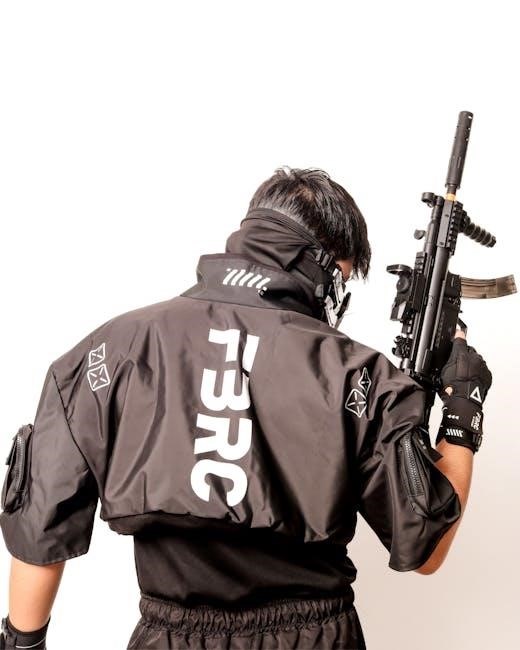
Furthermore, miniaturization and ruggedization are key features, allowing operators to carry communication devices discreetly and withstand harsh conditions. The Sofins exhibition showcases the latest advancements in tactical communication, including secure smartphones and specialized headsets. Effective communication enables real-time intelligence sharing, rapid response to evolving threats, and successful mission execution for these elite units.
Physical and Psychological Training
Special Forces candidates undergo exceptionally rigorous physical and psychological training designed to push them to their absolute limits. This training isn’t merely about building strength and endurance; it’s about forging mental resilience, adaptability, and the ability to perform under extreme stress. Selection processes often involve prolonged land navigation, sleep deprivation, and intense physical exertion.
Psychological screening and training are equally crucial, focusing on stress management, team cohesion, and ethical decision-making. Operators must maintain composure and effectiveness in high-stakes situations. The demands of special operations necessitate individuals capable of operating independently and as part of a team, exhibiting unwavering dedication and mental fortitude, qualities honed through relentless training.
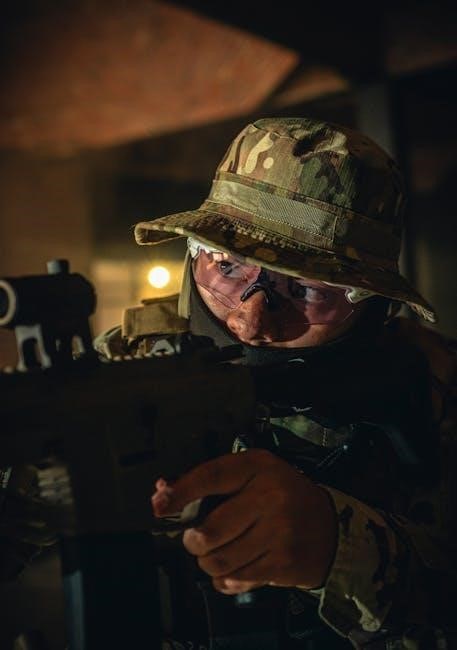
Special Forces in Modern Conflicts
Special Forces have been vital in recent conflicts, including Libya, Iraq, and are showcased at events like Sofins, demonstrating advanced equipment and tactical prowess.
Libya Operations (French & British Involvement)
Despite official denials, reports indicate the presence of French and British Special Forces operating within Libya, a testament to their covert capabilities and strategic interests in the region. A journalist from AFP directly observed evidence supporting this involvement, highlighting a level of operational secrecy.
This engagement underscores the importance of Special Forces in projecting power and influencing events in unstable environments. Their ability to operate discreetly allows nations to pursue objectives without overt military intervention, maintaining a degree of plausible deniability. The Libyan context demonstrates how these forces can be deployed to support specific political or security goals, often involving intelligence gathering and support for local partners.
Iraq Operations (French Exfiltration Missions)
In 2016, a section of French Special Forces was strategically positioned near Mosul, Iraq, undertaking a critical and sensitive mission. Their primary objective was the exfiltration of French nationals from a territory imminently facing intense American aerial bombardment. This operation showcased the rapid response and precise execution capabilities inherent in these elite units.
The mission demanded exceptional planning and coordination, navigating a volatile and dangerous environment. Successfully removing citizens before the commencement of large-scale hostilities demonstrated the value of Special Forces in protecting national interests and providing assistance to citizens abroad during times of crisis. It exemplified their ability to operate effectively in high-threat scenarios.
Sofins – Special Forces Exhibition
The Sofins exhibition, held in Souge, Gironde, France from April 1st to 3rd, serves as a crucial salon and seminar dedicated to Special Forces. This event showcases the latest advancements in specialized equipment and weaponry, attracting international attention and fostering collaboration within the special operations community.
Sofins provides a unique platform for demonstrating cutting-edge technologies and tactical innovations. It allows defense professionals, military personnel, and industry leaders to connect, exchange knowledge, and explore solutions to evolving security challenges. The exhibition highlights the ongoing development and refinement of tools used by elite forces globally, emphasizing the importance of technological superiority in modern warfare.
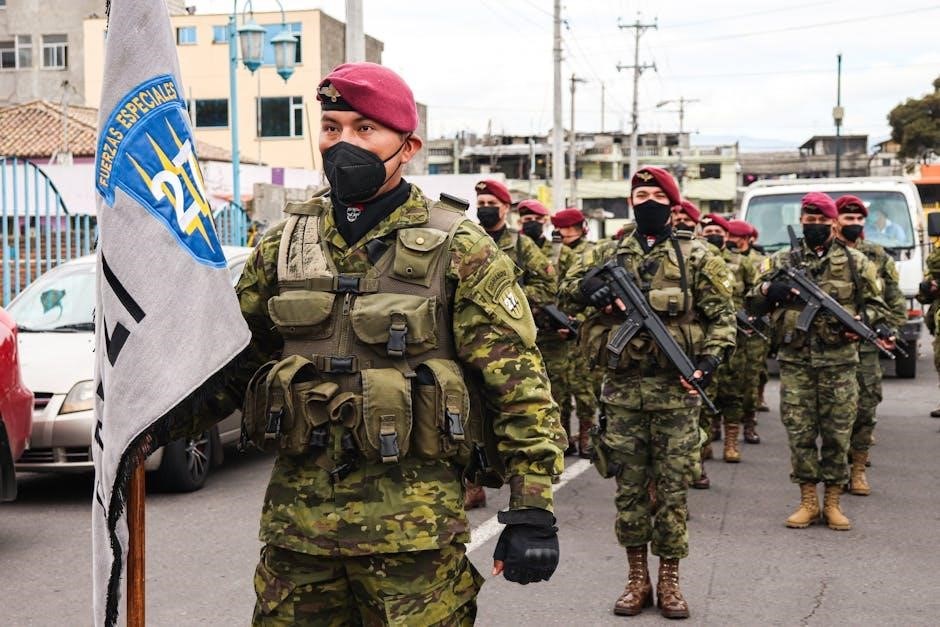
The Role of Special Forces in National Security
Special Forces provide critical force projection, intelligence gathering, and rapid crisis response capabilities, bolstering national security through discreet and effective operations.
Force Projection Capabilities
Special Forces exemplify a nation’s ability to project power globally, often operating far from home territory with minimal logistical support. This capability, highlighted by France’s demonstrated prowess, allows for swift intervention in unstable regions and the execution of sensitive missions.
Their unique skillset enables them to deploy via air, sea, or land, establishing a presence where conventional forces might be unsuitable or politically sensitive. This projection isn’t solely about military might; it’s about influence, demonstrating resolve, and safeguarding national interests. The Sofins exhibition showcases the cutting-edge equipment facilitating this projection, emphasizing innovation in weaponry and tactical gear.
Effectively, Special Forces extend a nation’s reach, providing a flexible and responsive tool for addressing a wide spectrum of security challenges.
Intelligence Gathering
Special Forces are pivotal in gathering critical intelligence, operating within denied areas where traditional intelligence assets cannot reach. Their discreet nature allows for the collection of real-time information on enemy activities, terrain, and local populations – data vital for strategic decision-making.
Beyond simply collecting data, these units excel at human intelligence (HUMINT) gathering, building relationships with local sources to gain insights into complex situations. This capability was demonstrably important during operations in Iraq, where exfiltration missions required precise knowledge of the evolving battlefield.
The information acquired informs not only military operations but also broader national security assessments, providing policymakers with a nuanced understanding of emerging threats and opportunities.
Rapid Response to Crises
Special Forces provide a nation with a crucial capability: the ability to respond swiftly and decisively to emerging crises globally. Their specialized training and equipment enable them to deploy rapidly to unstable regions, mitigating threats before they escalate. This responsiveness is particularly valuable in scenarios demanding immediate action, such as hostage rescues or counter-terrorism operations.
The French demonstrated this capability in Iraq, conducting rapid exfiltration missions to secure their citizens amidst escalating conflict. This highlights their ability to operate effectively under pressure and in high-risk environments.
Events like Sofins showcase the latest advancements in equipment and training, further enhancing their readiness to address unforeseen challenges and protect national interests.
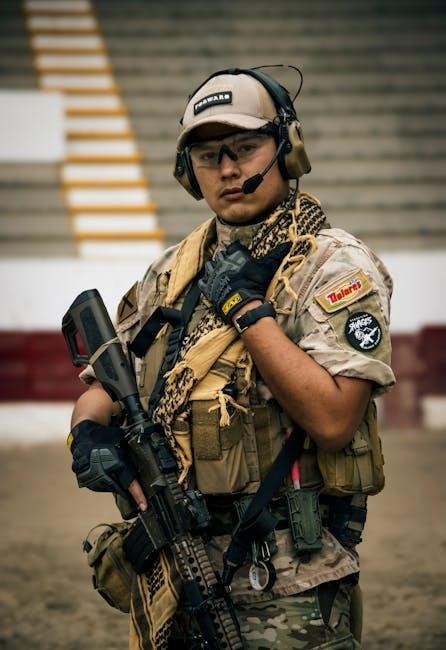
Future Trends in Special Forces
Technological advancements and an evolving threat landscape necessitate increased international cooperation for Special Forces, demanding adaptable strategies and cutting-edge equipment.
Technological Advancements
The future of Special Forces is inextricably linked to technological innovation. The Sofins exhibition showcases the latest equipment and armament, highlighting a constant drive for improvement. Advancements in communication systems are paramount, enabling secure and reliable connectivity in austere environments. Expect increased reliance on drones for reconnaissance and direct action, alongside sophisticated sensors for enhanced situational awareness.
Furthermore, artificial intelligence and machine learning will play a growing role in data analysis and predictive capabilities. The development of advanced materials for lighter, more protective gear is also crucial. These technologies aren’t merely about superior firepower; they’re about enhancing operational effectiveness, minimizing risk to operators, and maintaining a decisive edge in complex and rapidly changing operational theaters.
Evolving Threat Landscape
The operational environment for Special Forces is becoming increasingly complex and unpredictable. Traditional state-based threats are now coupled with the rise of non-state actors, including transnational terrorist organizations and sophisticated criminal networks. These groups often operate in ungoverned spaces, exploiting local grievances and utilizing asymmetric warfare tactics.
The proliferation of advanced technologies, such as readily available drones and cyber warfare capabilities, further complicates the landscape. Special Forces must adapt to counter these evolving threats, requiring enhanced intelligence gathering, improved counter-terrorism strategies, and a greater emphasis on unconventional warfare skills. Maintaining readiness and adaptability is paramount in this dynamic and challenging environment.
International Cooperation
Effective counter-terrorism and crisis response increasingly demand robust international cooperation among Special Forces. The interconnected nature of global threats necessitates a collaborative approach, sharing intelligence, best practices, and conducting joint training exercises. Events like Sofins – the Special Forces exhibition – facilitate this exchange, showcasing cutting-edge equipment and fostering relationships between nations.
Joint operations, such as those observed in Libya with French and British involvement, highlight the benefits of combined capabilities. Harmonizing procedures and overcoming logistical challenges are crucial for successful multinational missions. Strengthening these partnerships enhances collective security and allows for a more coordinated response to emerging threats worldwide.
Leave a Reply
You must be logged in to post a comment.