
Manual vs. Power Brakes: A Comprehensive Comparison (Updated February 15, 2026)
Confidence in braking is crucial for high-performance driving, as experienced drivers understand; this comparison explores the nuances of manual and power brake systems.
Braking systems are arguably the most critical safety feature in any vehicle, directly impacting a driver’s ability to control speed and avoid collisions. A truly exceptional braking system instills confidence, particularly when pushing a vehicle’s performance limits, as highlighted by seasoned drivers.

The effectiveness of a braking system isn’t solely about stopping distance; it’s about predictability, modulation, and the driver’s feeling of control. This comparison delves into the fundamental differences between manual and power brake systems, examining their operational principles, advantages, and disadvantages. Understanding these distinctions is vital for both automotive enthusiasts and everyday drivers seeking optimal safety and performance.
Historical Overview of Braking Technology
Early automobiles relied entirely on manual braking systems, employing a simple mechanical linkage between the brake pedal and the wheels. These systems demanded significant driver effort, especially in larger, heavier vehicles. As automotive technology advanced, the need for improved stopping power and reduced driver fatigue became apparent.
The introduction of hydraulic brakes in the early 20th century marked a significant leap forward, offering increased efficiency. However, it wasn’t until the mid-20th century that power-assisted brakes, initially vacuum-powered, began to appear, lessening the physical strain on the driver and enhancing braking performance.
What are Manual Brakes?
Manual brakes represent the most fundamental braking system, directly translating the driver’s foot pressure into braking force. Unlike power-assisted systems, they lack any hydraulic or vacuum assistance. This direct connection provides a raw, unfiltered feel for the road and braking action, appealing to some drivers who prioritize control.
However, this simplicity comes at a cost – requiring considerably more physical effort to achieve the same stopping power as a power-brake equipped vehicle. Manual brakes are now largely found in older vehicles, or specialized applications where simplicity and direct feedback are valued.
Components of a Manual Brake System
A manual brake system, in its core, is remarkably straightforward. Key components include the brake pedal, directly linked to a master cylinder. This cylinder, when depressed, pressurizes brake fluid. The fluid travels through brake lines to wheel cylinders at each wheel.
These wheel cylinders then force brake shoes against brake drums, or push calipers to squeeze brake rotors, creating friction and slowing the vehicle. There’s no booster; the driver provides all the necessary force. Springs return the shoes/calipers when the pedal is released, and a reservoir maintains fluid levels.
How Manual Brakes Function
The operation of manual brakes relies entirely on the driver’s physical effort. Pressing the brake pedal directly actuates the master cylinder, building hydraulic pressure within the brake lines. This pressure is then transmitted to each wheel’s braking mechanism – either drum or disc brakes.
The force applied by the driver determines the braking intensity. Greater pedal pressure equates to stronger braking. Because there’s no assistance, consistent and significant force is needed, especially during hard stops. Releasing the pedal allows the system to disengage, returning to a ready state.
What are Power Brakes?
Power brakes represent a significant advancement over manual systems, employing assistance to amplify the driver’s braking force. This assistance reduces the physical effort required to achieve effective stopping power. Instead of relying solely on leg strength, power brakes utilize either engine vacuum or hydraulic pressure to aid in brake application.
The core principle involves a power booster that multiplies the force applied to the master cylinder. This results in quicker response times and shorter stopping distances, particularly beneficial in emergency situations. Power brakes are now standard in most modern vehicles.
Vacuum Power Brakes: The Most Common Type
Vacuum power brakes are the predominant system found in the automotive industry, leveraging the engine’s intake manifold vacuum. This vacuum creates a pressure differential, which is then used to assist the driver in applying force to the brake pedal. A diaphragm within the booster responds to this vacuum, multiplying the pedal force.
This design is favored for its relative simplicity and efficiency. It provides substantial braking assistance without requiring a separate hydraulic pump. However, performance can be slightly affected at high engine speeds or under heavy load, where vacuum levels may decrease.
Hydraulic Power Brakes: A Less Frequent Application
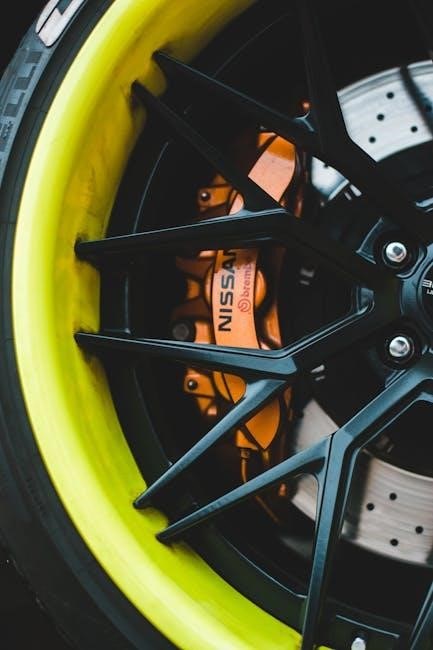
Hydraulic power brake systems represent a less common approach, typically employed in vehicles lacking a sufficient vacuum source – such as diesel engines or those with specific intake manifold designs. These systems utilize a hydraulic pump, driven by the engine, to generate pressure.
This pressure then assists the driver in applying the brakes, functioning similarly to vacuum boosters but relying on fluid dynamics instead of air pressure. While effective, hydraulic systems are generally more complex and can be more expensive to maintain than their vacuum-based counterparts.
Key Differences: Manual vs. Power Brakes

The core distinction between manual and power brake systems lies in the amount of driver effort required for operation. Manual systems demand direct physical force to generate braking pressure, offering a more connected feel but potentially causing fatigue.
Power brakes, conversely, utilize a booster – vacuum or hydraulic – to amplify the driver’s input, significantly reducing the necessary pedal force. This translates to easier braking, especially during prolonged use or emergency stops, but can sometimes diminish the direct feedback experienced by the driver.
Effort Required to Operate
Manual brake systems necessitate substantial leg strength and consistent pressure from the driver to achieve effective stopping power. This direct connection, while providing feel, can be physically demanding, particularly during extended driving or frequent braking scenarios. The driver is the force multiplier.
Power brakes dramatically reduce this physical demand. Utilizing a booster, they amplify the driver’s pedal force, requiring significantly less effort to engage the brakes. This is especially beneficial for drivers who prefer a lighter touch or those operating larger, heavier vehicles, enhancing comfort and reducing fatigue.
Stopping Distance Comparison
Generally, power brakes offer the potential for shorter stopping distances compared to manual systems, assuming equivalent brake components and road conditions. The amplified braking force allows for quicker deceleration, crucial in emergency situations. However, a skilled driver with a well-maintained manual system can achieve comparable results.
The key difference lies in consistency. Power brakes provide more consistent stopping power with less driver input, while manual brakes rely heavily on driver technique. Factors like pedal pressure and timing significantly impact stopping distance in manual systems, demanding precision and experience.
Advantages of Manual Brakes
Manual brake systems boast inherent simplicity, translating to increased reliability. Fewer components mean fewer potential points of failure, a significant benefit for those prioritizing dependability; This simplicity also contributes to cost-effectiveness, both in initial purchase and long-term maintenance, avoiding complex booster repairs.
For experienced drivers, manual brakes offer a heightened sense of feel and control. Direct connection to the braking system allows for precise modulation and a better understanding of vehicle dynamics, fostering confidence during spirited driving. This direct feedback is often lost in power-assisted systems.
Simplicity and Reliability
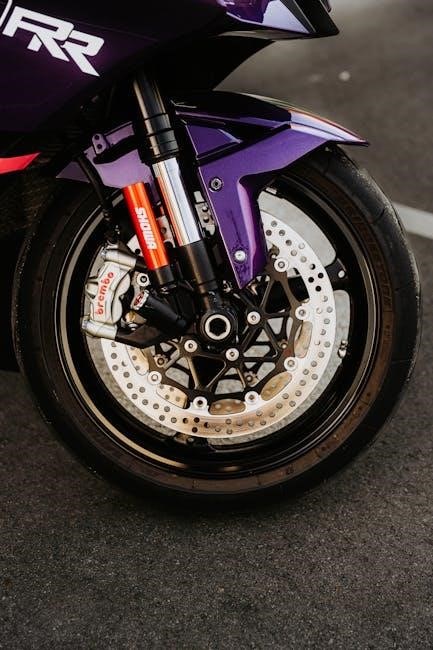
The core strength of manual brakes lies in their uncomplicated design. With a minimal number of parts – the pedal, master cylinder, lines, and calipers – the system inherently reduces the chances of mechanical issues. This straightforwardness directly translates to enhanced reliability, particularly beneficial in situations where immediate braking is critical.
Unlike power brake systems, manual setups don’t rely on vacuum or hydraulic assistance, eliminating potential failures within those complex subsystems; This inherent robustness makes them a favored choice for drivers valuing predictable performance and minimizing potential downtime due to repairs.
Cost-Effectiveness
Manual brake systems present a significant advantage in initial cost and long-term expenses. The reduced component count directly translates to lower manufacturing and installation costs, making them an attractive option for budget-conscious vehicle builds or restorations. Furthermore, the simplicity of the design minimizes the need for specialized tools or expertise during maintenance.
Compared to power brake systems, repairs on manual brakes are generally less expensive. Fewer parts mean fewer potential failure points and lower replacement costs, contributing to overall affordability and making them a practical choice for owners prioritizing value;
Driver Feel and Control (For Experienced Drivers)
Experienced drivers often appreciate the direct connection and heightened feedback offered by manual brake systems. Without the assistance of a power booster, the driver receives a more granular sense of the braking force being applied and the vehicle’s response. This unfiltered feel allows for precise modulation and control, particularly valuable in performance driving scenarios.
The ability to “read” the brakes enables skilled drivers to optimize stopping power and maintain vehicle balance, fostering a deeper connection with the car. While requiring more effort, this directness can enhance confidence and control for those accustomed to the system.
Disadvantages of Manual Brakes
Manual brake systems demand significantly more physical effort from the driver, potentially leading to fatigue, especially during prolonged driving or in stop-and-go traffic. This increased exertion can be particularly challenging for drivers with limited strength or physical conditions.
In emergency braking situations, the lack of power assistance can hinder responsiveness, potentially increasing stopping distances. The required force to achieve maximum braking may be difficult to generate quickly enough, compromising safety. Consequently, manual brakes are generally less forgiving and require greater driver anticipation.
Increased Driver Fatigue
The primary drawback of manual brakes is the substantial physical demand placed on the driver. Repeatedly applying significant force to the brake pedal, particularly during extended drives or congested traffic, quickly leads to muscle fatigue in the leg and foot.
This fatigue can diminish reaction time and overall driving alertness, increasing the risk of accidents. Drivers may find themselves less able to maintain consistent braking pressure, impacting control. The constant effort required simply to operate the vehicle becomes a significant source of driver strain.
Less Effective in Emergency Situations

In critical, emergency braking scenarios, manual brakes often fall short of the performance offered by power-assisted systems. The driver’s ability to apply maximum braking force is directly limited by their physical strength and endurance.
When immediate and substantial stopping power is needed, the time and effort required to achieve peak braking with a manual system can be detrimental. This delay translates to increased stopping distances, potentially leading to collisions. The lack of power assistance compromises the vehicle’s ability to respond swiftly to unexpected hazards.
Advantages of Power Brakes
Power brakes significantly reduce the physical exertion required from the driver, enhancing comfort, especially during prolonged driving or in stop-and-go traffic. This reduction in effort allows for quicker reaction times and sustained braking force when needed.
Furthermore, power brakes deliver demonstrably improved stopping power, providing a crucial safety advantage. Their ability to amplify braking force translates directly into shorter stopping distances, minimizing the risk of accidents. Modern power brake systems also seamlessly integrate with advanced safety features like ABS, further bolstering overall vehicle safety.
Reduced Driver Effort
A primary benefit of power brakes is the substantial decrease in force needed to bring a vehicle to a halt. Unlike manual systems demanding significant leg strength, power brakes utilize assistance – typically vacuum or hydraulic – to amplify the driver’s input.
This is particularly advantageous during extended drives or congested traffic conditions, minimizing driver fatigue and maintaining consistent braking performance. The lessened physical strain allows drivers to focus more intently on the road and react swiftly to changing circumstances, ultimately contributing to a safer driving experience.
Improved Stopping Power
Power brake systems generally deliver superior stopping performance compared to their manual counterparts. The assistance provided by vacuum or hydraulic boosters multiplies the force applied to the brake calipers, resulting in greater clamping pressure on the rotors.
This translates to shorter stopping distances, especially crucial in emergency situations. While skilled drivers can achieve respectable stops with manual brakes, power brakes offer a more consistent and readily available level of stopping power for all drivers, enhancing overall vehicle safety and control.
Enhanced Safety Features (ABS Integration)
Modern vehicles increasingly integrate Anti-lock Braking Systems (ABS) with power brake setups, creating a synergistic safety benefit. ABS works by preventing wheel lockup during hard braking, allowing the driver to maintain steering control.

The power brake booster provides the necessary hydraulic pressure for ABS to function effectively, modulating brake force to each wheel independently. While ABS can be implemented with manual brakes, its performance is significantly optimized when paired with the consistent and robust pressure delivery of a power brake system, maximizing safety.
Disadvantages of Power Brakes
Despite their advantages, power brake systems aren’t without drawbacks. Their inherent complexity introduces more potential points of failure compared to simpler manual systems. A failing power booster, vacuum leak, or hydraulic issue can compromise braking performance, requiring repair.
Maintenance and repair costs are generally higher due to the specialized components and diagnostic procedures involved. Furthermore, some drivers report a slight disconnect from the braking feel, potentially reducing confidence, though modern systems mitigate this.
Complexity and Potential for Failure
Power brake systems, while enhancing stopping power, introduce a greater degree of mechanical and hydraulic complexity. This intricacy translates to a higher probability of component failure compared to the straightforward design of manual brakes. Issues can arise within the power booster, master cylinder, vacuum lines, or hydraulic circuits.
Diagnosing these failures often requires specialized tools and expertise. A compromised vacuum source, a leaking booster, or a malfunctioning modulator can significantly reduce braking effectiveness, demanding prompt attention and potentially costly repairs to restore optimal safety.
Higher Cost of Maintenance and Repair
The increased complexity of power brake systems directly correlates to elevated maintenance and repair expenses. Replacing a power brake booster, for instance, is considerably more expensive than servicing manual brake components like shoes or pads. Hydraulic fluid flushes, booster testing, and modulator repairs all contribute to ongoing costs.
Furthermore, specialized tools and diagnostic equipment are often necessary, increasing labor charges. While manual brakes prioritize simplicity, power brakes demand a larger financial commitment to maintain peak performance and ensure continued safety on the road.
Power Brake Booster Types & Functionality
Power brake boosters amplify the driver’s pedal force, significantly reducing the effort needed for braking. The most prevalent type is the vacuum booster, utilizing engine manifold vacuum to assist braking. This creates a pressure differential, aiding pedal application.
Hydraulic boosters, less common, employ hydraulic pressure from the power steering pump. Both types function by increasing the force applied to the master cylinder. Boosters are critical for consistent, powerful stops, especially in larger vehicles, and require regular inspection to maintain optimal functionality and driver safety.

ABS (Anti-lock Braking System) and its Interaction with Both Systems
ABS dramatically enhances braking safety by preventing wheel lockup during hard stops, maintaining steering control. It functions independently of whether a vehicle utilizes manual or power brakes, acting as a supplementary safety layer. ABS modulates brake pressure to each wheel individually, optimizing stopping power on various surfaces.
Integration with power brakes is seamless, leveraging the existing hydraulic system. With manual brakes, ABS requires a more complex hydraulic setup to achieve the same modulation. Regardless of the base system, ABS significantly reduces stopping distances and improves vehicle stability.
Modern Trends in Braking Technology (Regenerative Braking, Brake-by-Wire)
Emerging technologies are reshaping braking systems, moving beyond traditional manual and power setups. Regenerative braking, common in electric and hybrid vehicles, recovers energy during deceleration, increasing efficiency. Brake-by-wire systems eliminate the mechanical linkage between the pedal and brakes, utilizing electronic signals for control.
These advancements offer benefits like improved responsiveness and integration with advanced driver-assistance systems. While not directly replacing manual or power brakes entirely, they represent a shift towards more sophisticated, electronically controlled braking. Future systems may blend these technologies for optimal performance and safety.
Choosing the Right System: Vehicle Type and Driving Style
The ideal braking system depends heavily on the vehicle’s purpose and the driver’s preferences. For classic or lightweight vehicles, manual brakes can offer a direct, connected feel favored by enthusiasts. However, modern, heavier vehicles generally benefit from the assistance of power brakes, reducing driver effort.
Aggressive drivers seeking maximum control might appreciate the feedback of a manual system, while those prioritizing comfort and ease of use will likely prefer power brakes. Consider the vehicle’s intended use; track-focused cars may benefit from upgraded manual systems, while daily drivers prioritize convenience.
Troubleshooting Common Brake Problems (Both Manual & Power)
Regardless of the system, several issues can plague brakes. Spongy pedal feel often indicates air in the lines, requiring bleeding for both manual and power setups. Worn brake pads are a common culprit for reduced stopping power, needing replacement. Power brake boosters can fail, leading to significantly increased pedal effort.
Manual systems may experience cable stretch or linkage issues. Regular inspection of lines, rotors, and fluid levels is crucial. Ignoring warning signs like squealing or grinding can lead to costly repairs and compromised safety, demanding prompt attention.
Future of Braking Systems
The evolution of braking continues, moving beyond traditional manual and power systems. Regenerative braking, already prevalent in electric vehicles, captures energy during deceleration, boosting efficiency. Brake-by-wire technology eliminates the mechanical linkage, utilizing electronic signals for greater control and responsiveness.
Advanced systems will likely integrate AI for predictive braking and enhanced safety features. While fully autonomous vehicles may minimize driver input, robust backup systems will remain vital. The future blends efficiency, safety, and potentially, a return to nuanced driver feel, regardless of the core technology.
Leave a Reply
You must be logged in to post a comment.