The Physical Death of Jesus Christ: A Detailed Examination
A comprehensive analysis reveals Jesus’ death stemmed from hypovolemic shock, exhaustion, and asphyxia, confirmed by the piercing of his side—a brutal, physical ordeal.
Historical Context of Roman Crucifixion
Roman crucifixion, a widely utilized method of execution, wasn’t simply about causing death; it was a carefully orchestrated display of power and public humiliation. Initially employed by the Persians, the practice was adopted by the Romans, becoming a standard punishment, particularly for slaves, rebels, and those deemed enemies of the state. It wasn’t a swift death, but a prolonged and agonizing one, designed to deter others.
The Romans refined the process, developing specific techniques to maximize suffering and prolong life. Crucifixion wasn’t merely nailing hands to wood; it involved securing the victim to a cross – often a simple wooden beam or a more elaborate T-shaped structure – in a way that restricted breathing and caused immense physical strain. The position itself contributed significantly to the agonizing process.
In the context of Judea during the first century, crucifixion was a common sight, used to suppress Jewish revolts. The Romans understood its psychological impact, using it to instill fear and maintain control. This historical backdrop is crucial to understanding the physical trauma inflicted upon Jesus, as it wasn’t an isolated incident, but a deliberate application of a well-established Roman practice.
The Physical Trauma of Scourging
Scourging, preceding crucifixion, was a brutal practice intended to weaken and humiliate the victim. Roman scourging wasn’t a simple whipping; it involved the use of a flagellum, a multi-tailed whip often embedded with metal hooks and bone fragments. This instrument inflicted deep, lacerating wounds, tearing through skin, muscle, and sometimes even exposing underlying organs.
The depth of these lacerations led to significant blood loss, initiating hypovolemic shock – a life-threatening condition caused by insufficient blood volume. Beyond blood loss, the open wounds were incredibly painful and prone to infection. The physical trauma itself caused immense pain, leading to a cascade of physiological responses, including increased heart rate and blood pressure, further stressing the body.
Edwards’ hypothesis emphasizes the severity of scourging, arguing that the extensive blood loss and tissue damage significantly contributed to Jesus’ weakened state before crucifixion. The deep, stripe-like lacerations weren’t superficial; they were debilitating injuries that dramatically reduced his physical capacity and hastened the process of physiological decline, setting the stage for the subsequent ordeal.
Wounds from the Crown of Thorns
The imposition of a crown of thorns was a particularly cruel act, designed to inflict pain and mockery. While the exact type of thorns used remains debated, they likely caused significant lacerations to the scalp – a highly vascular area. These wounds, though seemingly less immediately life-threatening than scourging, contributed substantially to Jesus’ overall physical distress and blood loss.
The scalp’s rich blood supply meant even relatively minor punctures could result in considerable bleeding. The constant pressure from the crown would have exacerbated the pain and prevented proper clotting. Furthermore, the wounds created an entry point for infection, adding another layer of physiological stress. The psychological torment associated with this humiliation cannot be discounted, as it likely amplified the physical suffering.
In combination with the scourging, the head wounds further depleted Jesus’ blood volume and weakened his physical state. While not the primary cause of death, the crown of thorns undeniably intensified the trauma and contributed to the rapid deterioration of his physiological condition, compounding the effects of the preceding abuse and preparing him for the final agony of crucifixion.
The Journey to Golgotha: Physical Strain
The forced march to Golgotha, approximately 600-700 meters, represented a significant physical ordeal for Jesus, already weakened by scourging and the trauma of the crown of thorns. He was compelled to carry the patibulum, the crossbeam, likely weighing between 55 and 130 pounds, adding immense strain to his already compromised physical state.
This exertion, coupled with substantial blood loss and dehydration, rapidly induced exhaustion and muscle fatigue. The rough terrain of Jerusalem, with its uneven stones and inclines, further amplified the difficulty. The Roman soldiers would have offered little to no assistance, actively encouraging or forcing Jesus to continue, exacerbating his suffering.
The journey wasn’t merely a walk; it was a brutal imposition designed to further weaken the condemned. Each step demanded immense effort, pushing Jesus closer to the brink of collapse. This pre-crucifixion strain significantly contributed to the hypovolemic shock already developing, diminishing his reserves and accelerating the physiological cascade leading to his eventual death on the cross. It was a deliberate act of cruelty, maximizing suffering before the final act.
The Mechanics of Roman Crucifixion
Roman crucifixion wasn’t a singular method, but a spectrum of practices. Typically, the condemned was forced to carry the patibulum to the execution site. Once there, the arms were outstretched and secured to the crossbeam using nails driven through the wrists – though the exact location is debated, the wrists were preferred to support the body’s weight.
The feet were then fixed to the upright post, either nailed or tied. The position imposed severe physiological stress. The body was suspended, relying on the arms and wrists for support, leading to excruciating pain and eventual muscle fatigue. This posture dramatically restricted normal breathing, contributing to asphyxiation.
The cross itself wasn’t always a simple wooden structure; variations existed. The goal wasn’t simply to kill, but to inflict maximum suffering and public humiliation. The prolonged suspension, combined with the open wounds from scourging and the crown of thorns, created a cascade of physiological trauma, ultimately leading to a slow and agonizing death. It was a meticulously designed method of execution.
Physiological Effects of Crucifixion: Initial Stages
Initially, the trauma of crucifixion triggered an intense inflammatory response. The scourging, with its deep, lacerating wounds, caused significant blood loss and fluid depletion, initiating hypovolemic shock. This meant reduced blood volume, leading to decreased oxygen delivery to vital organs.
The body, struggling to compensate, would elevate heart rate and constrict blood vessels – a desperate attempt to maintain blood pressure. However, the sustained stress and pain overwhelmed these mechanisms. The position on the cross exacerbated the situation, restricting venous return and further diminishing cardiac output.
Muscular cramping and spasms quickly developed due to the unnatural posture and exhaustion. Breathing became increasingly labored, not only from the physical strain but also from the compression of the chest cavity. This initial phase set the stage for a progressive decline, paving the way for more severe physiological consequences and ultimately, death.
Hypovolemic Shock and its Progression
Hypovolemic shock, initiated by substantial blood loss from scourging and crucifixion wounds, rapidly progressed through distinct stages. Initially, the body compensated by increasing heart rate and constricting peripheral blood vessels, attempting to maintain vital organ perfusion. However, this compensatory mechanism proved unsustainable.
As blood volume continued to decline, the body entered a decompensatory stage; Blood pressure plummeted, leading to inadequate oxygen delivery to tissues. Organs began to fail, starting with the kidneys and progressing to the liver and brain. Metabolic acidosis developed as cells shifted to anaerobic metabolism due to oxygen deprivation.
The final, irreversible stage involved widespread organ damage and systemic failure. Despite the body’s desperate attempts to maintain homeostasis, the relentless blood loss and resulting shock ultimately overwhelmed its capacity, leading to a cascade of events culminating in cardiac arrest and death. This progression was significantly accelerated by the physical strain of crucifixion.
Asphyxiation and Respiratory Distress
Asphyxiation, a critical component of death by crucifixion, arose from multiple factors severely restricting Jesus’ ability to breathe effectively. The position on the cross, with the weight of the body pulling down on the chest, significantly limited diaphragmatic movement, hindering lung expansion.
Respiratory distress was exacerbated by the exhaustion resulting from prior scourging and the arduous journey to Golgotha. The deep lacerations inflicted during scourging likely caused pain and inflammation, further compromising respiratory function. Muscle fatigue, stemming from prolonged strain, weakened the muscles essential for breathing.
Positional asphyxia, where the body’s position obstructs airflow, played a crucial role. The inability to effectively exhale led to a buildup of carbon dioxide and a depletion of oxygen, creating a vicious cycle of respiratory failure. This, combined with hypovolemic shock, rapidly induced a state of hypoxia, ultimately contributing to organ failure and death.
Exhaustion and Muscle Fatigue
Exhaustion, a significant contributor to Jesus’ demise, wasn’t solely a result of the crucifixion itself, but a culmination of preceding physical trauma. Prior to being affixed to the cross, Jesus endured a brutal scourging, inflicting deep, lacerating wounds across his back. This alone would have caused substantial blood loss and immense pain, initiating a cascade of physiological stress.
The forced march to Golgotha, carrying the heavy patibulum (crossbeam), further depleted his energy reserves. This strenuous activity, undertaken in a weakened state, led to rapid muscle fatigue. The body’s demand for oxygen far exceeded its supply, resulting in the buildup of lactic acid and intensifying muscle soreness.
Muscle fatigue compromised Jesus’ ability to maintain even basic bodily functions, including breathing and supporting his weight on the cross. This, coupled with dehydration and electrolyte imbalance, accelerated the onset of hypovolemic shock and ultimately hastened his death. The physical strain was truly overwhelming.
Cardiac Arrest and its Causes
Cardiac arrest, the ultimate cessation of heart function, was the final physiological event in Jesus’ death, though pinpointing the precise initiating factor remains complex. The preceding cascade of trauma – severe blood loss from scourging and crucifixion wounds, hypovolemic shock, and profound exhaustion – significantly stressed the cardiovascular system.
Hypovolemic shock, characterized by drastically reduced blood volume, diminished venous return to the heart, and subsequently, decreased cardiac output. This created a vicious cycle, depriving the heart muscle itself of oxygen. Electrolyte imbalances, stemming from dehydration and blood loss, further disrupted the heart’s electrical conductivity, predisposing it to arrhythmias.
Asphyxia, the inability to breathe effectively, contributed to rising carbon dioxide levels and declining oxygen saturation in the blood. This hypoxia directly impacted the heart muscle, weakening its contractions. Positional asphyxia, exacerbated by the crucifixion posture, compounded these issues. Ultimately, the heart, overwhelmed and deprived, ceased to beat effectively, resulting in cardiac arrest.
The Role of Positional Asphyxia
Positional asphyxia, a critical yet often underestimated factor, significantly contributed to Jesus’ agonizing death on the cross. The specific mechanics of Roman crucifixion inherently induced this condition. Being suspended by the wrists and feet, with the body’s weight pulling downwards, severely restricted the diaphragm’s movement – the primary muscle responsible for breathing.
This restricted diaphragmatic excursion dramatically reduced lung capacity, making each breath shallower and less effective. The body was forced to rely increasingly on accessory respiratory muscles, leading to rapid fatigue. The slumped posture further compromised airflow, hindering oxygen intake and carbon dioxide expulsion.
Combined with the pre-existing physiological stresses – hypovolemic shock, exhaustion, and the trauma from scourging – positional asphyxia created a synergistic effect, accelerating the decline in oxygen levels. It wasn’t simply a lack of air, but the way the body was positioned that made breathing progressively more difficult, ultimately contributing to respiratory failure and death.

Dehydration and Electrolyte Imbalance
Dehydration and a severe electrolyte imbalance were inevitable consequences of the physical trauma Jesus endured leading up to and during crucifixion. The intense scourging inflicted substantial open wounds, resulting in significant blood loss – a primary component of bodily fluids. This fluid depletion initiated the cascade towards hypovolemic shock.
Further exacerbating the situation was the lack of fluid intake. From arrest through the trial and the journey to Golgotha, Jesus likely received little to no water. The hot climate of Judea, coupled with strenuous physical exertion, would have accelerated fluid loss through perspiration. This created a vicious cycle of dehydration and diminishing blood volume.
Electrolyte imbalances, particularly of sodium and potassium, accompanied the fluid loss. These electrolytes are crucial for nerve and muscle function. Their depletion contributed to muscle weakness, cardiac arrhythmias, and further compromised respiratory effort, hastening the progression towards physiological collapse and ultimately, death.
The Impact of Blood Loss
Blood loss was a central factor in the physical death of Jesus Christ, initiated by the brutal scourging before crucifixion. This wasn’t merely superficial wounding; the scourging created deep, lacerating injuries, tearing through skin, muscle, and potentially damaging underlying tissues and organs. Each lash resulted in substantial hemorrhage, rapidly depleting blood volume.
The subsequent nailing of hands and feet to the cross further contributed to blood loss, though to a lesser extent than the scourging. However, the positioning on the cross likely exacerbated bleeding from existing wounds. The cumulative effect of blood loss led directly to hypovolemic shock – a life-threatening condition where the heart struggles to pump sufficient blood to vital organs.
As blood volume decreased, blood pressure plummeted, reducing oxygen delivery to tissues. This resulted in cellular dysfunction, organ failure, and ultimately, death. Edwards’ hypothesis specifically highlights the significant role of scourging-induced blood loss in contributing to the rapid onset of shock and subsequent demise, alongside exhaustion and asphyxia.
The Piercing of the Side: Confirmation of Death
The piercing of Jesus’ side, as described in the Gospel accounts, served as a definitive confirmation of his death, performed by a Roman soldier to ensure complete cessation of life. This act wasn’t simply a post-mortem observation; it was a standard practice to verify death, particularly in cases of crucifixion where appearances could be deceiving.
The soldier’s spear thrust penetrated the intercostal space, likely damaging the pericardium – the sac surrounding the heart – and potentially the heart itself. This resulted in an immediate outpouring of blood and serous fluid, a clear indication that the heart had stopped functioning. The volume of fluid released suggests a significant degree of pericardial effusion, further supporting the conclusion of cardiac arrest.
Edwards and Habermas both emphasize this event as conclusive evidence. It eliminated any doubt regarding Jesus’ death, ruling out the possibility of survival. The spear thrust wasn’t the cause of death, but rather a final, irrefutable confirmation following the preceding trauma of scourging, crucifixion, and the resulting hypovolemic shock and asphyxia.
Medical Analyses of the Shroud of Turin
The Shroud of Turin, a linen cloth bearing a faint image of a man believed by some to be Jesus Christ, has undergone extensive medical and forensic analysis. These studies attempt to correlate the image’s characteristics with the known physical trauma inflicted during Roman crucifixion, offering potential insights into the manner of his death.
Researchers have identified numerous wounds on the Shroud’s image consistent with scourging – deep, linear lacerations across the back – and puncture wounds corresponding to nail penetrations in the wrists and feet. The distribution and nature of these wounds align with historical accounts of Roman crucifixion practices;
However, interpretations remain controversial. While some analyses suggest the image accurately reflects post-mortem trauma, including edema and rigor mortis, others question its authenticity and dating. The Shroud’s image doesn’t definitively prove the details of Jesus’ death, but it provides a compelling visual representation that aligns with established medical understanding of crucifixion’s physical effects, prompting ongoing debate and investigation.
Edwards’ Hypothesis: Scourging, Blood Loss, and Shock
W.D. Edwards, in his 1986 analysis, proposed a detailed hypothesis regarding the physiological mechanisms leading to Jesus’ death, emphasizing the combined effects of scourging, significant blood loss, and subsequent hypovolemic shock. He argued that the extensive scourging inflicted before crucifixion would have caused substantial trauma, leading to considerable blood volume depletion.
Edwards estimated blood loss from scourging alone could have been substantial, potentially inducing pre-shock conditions. This pre-existing hypovolemia, exacerbated by blood loss during crucifixion from nail wounds and the final spear thrust, would have severely compromised cardiovascular function.
His hypothesis posits that the resulting hypovolemic shock – a life-threatening condition caused by insufficient blood flow – coupled with exhaustion and asphyxia, were the primary drivers of death. The spear wound to the side, he contends, wasn’t the cause of death, but a confirmation of it, releasing pleural fluid and further demonstrating cardiac arrest. This model aligns with historical accounts and provides a medically plausible explanation for the rapid demise.
Habermas’ Research: Supporting Evidence
Gary Habermas’s extensive research, published in 2021, provides compelling historical and medical support for the established understanding of Jesus’ death, building upon Edwards’ earlier work. Habermas meticulously examined historical sources and medical analyses, reinforcing the conclusion that a combination of severe scourging, substantial blood loss, and resulting hypovolemic shock were central to the fatal outcome.
His work highlights the deep, stripe-like lacerations caused by the scourging, emphasizing the significant tissue damage and blood vessel rupture. This, coupled with the blood loss from the crucifixion wounds, would have rapidly depleted blood volume, leading to a cascade of physiological failures.

Habermas’s research corroborates the idea that Jesus was already critically weakened before being crucified, due to the preceding torture. He argues that the spear thrust was a post-mortem confirmation, not the initiating event of death, aligning with Edwards’ hypothesis and solidifying the medical plausibility of the biblical narrative. His findings strengthen the case for a physically induced death.
The Role of Hypoxia in the Death Process
Hypoxia, or oxygen deprivation, played a crucial and escalating role in Jesus’ death, stemming from multiple interconnected physiological stressors. The initial stages of crucifixion induced significant respiratory distress, as the body struggled against the imposed position and the accumulating trauma. This difficulty in breathing directly limited oxygen intake, initiating a cycle of cellular dysfunction.
As hypovolemic shock progressed, reduced blood volume meant diminished oxygen delivery to vital organs, exacerbating the hypoxic state. Muscle fatigue, a consequence of prolonged strain and energy depletion, further compromised respiratory function, creating a vicious cycle.
Positional asphyxia, caused by the strain of maintaining an upright position while suspended, significantly hindered chest expansion and airflow. Ultimately, the combined effects of these factors led to widespread tissue hypoxia, culminating in organ failure and cardiac arrest. The lack of sufficient oxygen was a primary driver in the final stages of death, contributing to the overall physical devastation.
Distinguishing Between Causes of Death
Determining the precise cause of Jesus’ death requires careful differentiation between contributing factors and the ultimate physiological failure. While scourging inflicted extensive trauma and blood loss, initiating hypovolemic shock, it wasn’t directly lethal on its own. Similarly, the crown of thorns caused localized pain and bleeding, but wasn’t a primary driver of systemic collapse.
The mechanics of crucifixion—the suspension and resulting positional asphyxia—severely compromised respiratory function, leading to escalating hypoxia. However, this wasn’t instantaneous; it was a progressive process exacerbated by exhaustion and the body’s inability to compensate.
Ultimately, the convergence of these factors—profound blood loss, respiratory distress, and the resulting oxygen deprivation—led to cardiac arrest. The spear thrust into his side, while confirming death, wasn’t the cause of death, but rather verification that the heart had already ceased function. Edwards’ hypothesis emphasizes the synergistic effect of these traumas, highlighting that death resulted from a complex interplay, not a single event.
The Physical Condition of Jesus Before Crucifixion
Prior to crucifixion, Jesus endured a night of intense emotional and physical stress following his arrest. This included prolonged interrogation, likely accompanied by sleep deprivation and psychological distress – factors that significantly weakened his physical state. The subsequent scourging, a brutal practice involving repeated flagellation with a flagrum, inflicted deep, lacerating wounds across his back and shoulders.
This scourging wasn’t merely superficial; it caused substantial tissue damage, blood loss, and excruciating pain. The deep stripe-like lacerations, as described in analyses, would have led to significant hypovolemia – a decrease in blood volume – even before the crucifixion itself began. This pre-existing state of physical compromise dramatically reduced his ability to withstand the further trauma of the crucifixion.
Furthermore, the imposition of the crown of thorns caused localized trauma to the scalp, contributing to blood loss and pain. This combination of factors – sleep deprivation, emotional stress, scourging, and the crown of thorns – left Jesus in a severely debilitated physical condition, making the ordeal of crucifixion exponentially more challenging and accelerating the path to death.
Post-Mortem Examination Considerations
In a hypothetical post-mortem examination, several key findings would corroborate the cause of death as a combination of factors stemming from the crucifixion. Significant blood loss, evidenced by hypovolemic shock, would be a primary observation. The extensive lacerations from the scourging, coupled with puncture wounds from the crown of thorns, would be readily apparent, demonstrating substantial tissue damage.
The presence of edema, or swelling, in the extremities and around the pericardial sac (the sac surrounding the heart) would indicate fluid shifts consistent with prolonged shock. Examination of the rib cage would likely reveal fractures or dislocations resulting from the strain of maintaining an upright position during crucifixion and the subsequent respiratory distress.
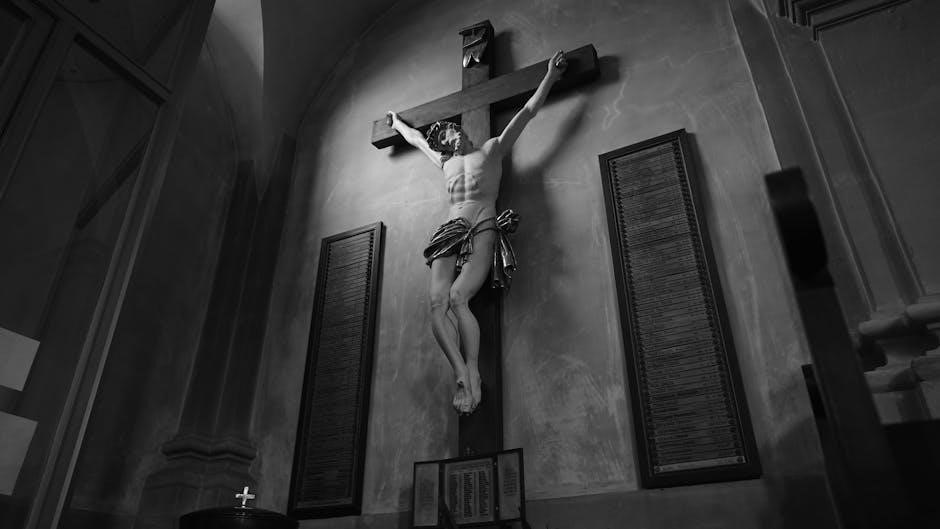
The puncture wound to the side, confirmed by historical accounts, would be a definitive finding. Microscopic analysis of tissue samples would reveal evidence of extensive trauma, inflammation, and cellular damage. Furthermore, assessing electrolyte imbalances and dehydration levels would support the conclusion that death resulted from a complex interplay of physical trauma, blood loss, and physiological collapse.
Contemporary Medical Understanding of Crucifixion Trauma
Modern medical analysis confirms crucifixion was a deliberately prolonged and agonizing form of execution. Experts now understand the physiological cascade initiated by scourging and the subsequent crucifixion process. The extensive skin and muscle lacerations from scourging caused significant blood loss, initiating hypovolemic shock – a critical reduction in blood volume.
The positioning on the cross exacerbated respiratory distress. The body’s weight, pulling downwards, restricted the diaphragm’s movement, making each breath increasingly labored. This led to asphyxiation, compounded by exhaustion and muscle fatigue from struggling to breathe. Positional asphyxia, where body position impedes respiration, played a crucial role.
Cardiac arrest, ultimately, was likely the terminal event, triggered by a combination of shock, dehydration, electrolyte imbalance, and respiratory failure. Contemporary understanding aligns with historical accounts and analyses like those by Edwards and Habermas, highlighting the brutal efficiency of this method in inducing a slow, agonizing death through multiple systemic failures.
Leave a Reply
You must be logged in to post a comment.