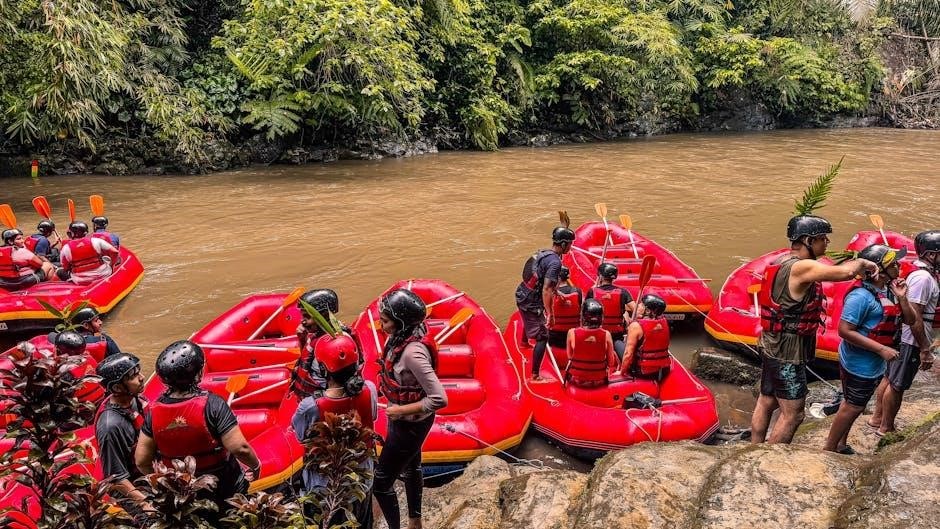
Understanding Raft Guide Tipping Etiquette
Navigating gratuities for raft guides involves considering service quality‚ trip duration‚ and regional norms.
Typically‚ 15-20% of the trip cost is standard‚
but exceptional experiences warrant higher amounts.
Guides often rely on tips‚ so showing appreciation for their expertise and dedication is customary and valued.
Raft guides are essential to a safe and enjoyable river adventure‚ often going above and beyond basic duties. They expertly navigate challenging rapids‚ provide insightful commentary about the surrounding environment‚ and prioritize passenger well-being. Tipping acknowledges their skill‚ knowledge‚ and commitment to delivering a memorable experience.
Unlike salaried employees‚ a significant portion of a guide’s income often comes from gratuities. A thoughtful tip demonstrates gratitude for their hard work and dedication‚ reflecting the value you place on their service. Consider it a way to directly reward exceptional performance and support their profession.
The Role of a Raft Guide
A raft guide’s responsibilities extend far beyond simply steering the raft downstream. They are skilled navigators‚ assessing river conditions and expertly maneuvering through rapids‚ ensuring passenger safety at all times. Guides are also trained in first aid and rescue techniques‚ prepared to handle emergencies effectively.
Furthermore‚ they act as knowledgeable interpreters of the natural environment‚ sharing insights into local flora‚ fauna‚ and geology. Excellent guides enhance the trip with engaging storytelling and a positive attitude‚ creating a fun and informative experience for everyone onboard.
Standard Tipping Percentages
Generally‚ a 15-20% tip based on the total trip cost is considered appropriate‚ mirroring restaurant tipping customs. However‚ adjust based on service quality!
The 15-20% Guideline
The 15-20% tipping range serves as a solid foundation for showing gratitude to your raft guide. This percentage mirrors common practices in the hospitality industry‚ acknowledging the guide’s service and expertise. For a $150 trip‚ this translates to a $22.50 ⸺ $30 tip.
However‚ remember this is a guideline‚ not a rigid rule. Exceptional service‚ challenging conditions‚ or a particularly knowledgeable guide may justify exceeding this range. Conversely‚ adequate but not outstanding service might lean towards the 15% end.
Ultimately‚ the goal is to reward your guide for a safe and enjoyable experience‚ and this percentage provides a helpful starting point for that expression of appreciation.
Calculating the Tip Based on Trip Cost
Determining the tip amount is straightforward: multiply the total trip cost by your desired percentage. For instance‚ a $200 trip at 15% yields a $30 tip‚ while 20% results in $40. Consider this a base calculation‚ adaptable to the specifics of your experience.
If your trip cost is $100‚ a 15% tip is $15‚ and 20% is $20. Remember‚ even small adjustments can significantly impact the guide’s earnings. Don’t hesitate to round up‚ especially if the service exceeded expectations.
This method ensures fairness‚ aligning the tip with the value received and the guide’s effort.
Tipping on Shorter vs. Longer Trips
Tip amounts should reflect the duration and intensity of the rafting experience. Shorter trips‚ costing under $100‚ often benefit from a flat rate of $10-$20‚ or 10-15% if preferred. Longer‚ full-day adventures‚ exceeding $200‚ typically warrant the standard 15-20% calculation based on the total cost.
Consider the guide’s sustained effort and responsibility throughout extended trips. A higher percentage acknowledges their commitment. For trips around $100-$200‚ a $20-$40 tip‚ or 15-20%‚ is appropriate.
Adjust based on exceptional service‚ regardless of trip length.
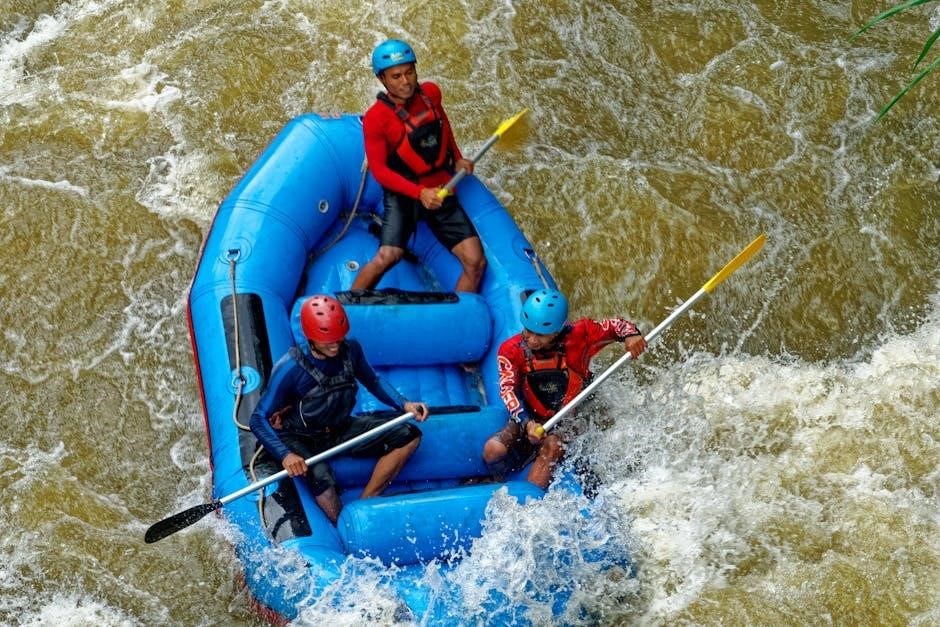
Factors Influencing Tip Amount
Tip amounts are flexible and depend on service‚ skill‚ and conditions. Exceptional guides‚ challenging rapids‚ and insightful knowledge all justify increased gratuity.
Enthusiasm and safety expertise also merit consideration when determining a fair tip.
Exceptional Service & Skill
A truly outstanding raft guide elevates the entire experience‚ deserving a generous tip. Consider exceeding the standard 15-20% if your guide demonstrated exceptional skill navigating challenging rapids‚ ensuring passenger safety‚ and providing a thrilling adventure.
Guides who go above and beyond – offering insightful commentary about the local environment‚ sharing captivating stories‚ or proactively catering to individual needs – warrant extra gratitude. If you felt exceptionally well-cared for and entertained‚ a tip exceeding 20% is a thoughtful way to acknowledge their dedication and expertise. Remember‚ exceeding expectations merits exceeding standard tipping guidelines.
Trip Difficulty & Water Conditions
The complexity of the river and prevailing water conditions significantly influence the skill required from your raft guide. Trips navigating challenging whitewater‚ high flows‚ or technical rapids demand a higher level of expertise and physical exertion.
In these scenarios‚ consider tipping towards the higher end of the 15-20% range‚ or even exceeding it. Guides expertly maneuvering through difficult conditions ensure your safety and enjoyment‚ justifying increased compensation. Conversely‚ calmer waters might warrant a tip within the lower end of the standard range‚ but always acknowledge skillful guidance.
Guide’s Knowledge & Enthusiasm
A truly exceptional guide enhances your rafting experience beyond just navigation; they share insightful knowledge about the river’s ecosystem‚ local history‚ and geology. Their enthusiasm and ability to connect with passengers create a memorable adventure.
Guides demonstrating genuine passion and expertise deserve generous recognition. Consider increasing your tip to reflect their added value. A guide who goes above and beyond‚ answering questions thoughtfully and fostering a fun atmosphere‚ warrants a tip exceeding the standard 15-20% guideline‚ showing sincere appreciation for their efforts.
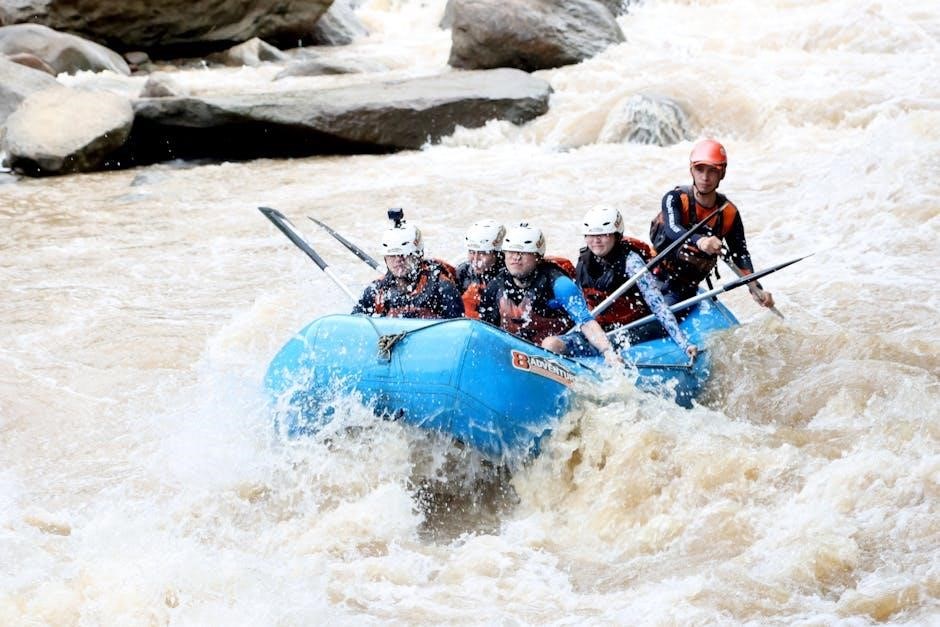
How to Deliver Your Tip
Tips can be given directly to the guide at the river base‚ or left with front desk staff if the guide is occupied.
Timing is best immediately post-trip.
Tipping Directly to the Guide
Handing your tip directly to the raft guide is a personal and appreciated gesture. It allows you to express your gratitude face-to-face‚ acknowledging their specific skills and efforts during the adventure. This method ensures the entire amount reaches the individual who provided the service.
Many guides prefer this approach‚ as it offers immediate recognition of a job well done. Presenting the tip in cash is common‚ but some guides may accept alternative forms like gift cards. Doing so at the river base‚ after a safe return‚ is ideal.
Tipping Through Front Desk/Staff
If your guide is unavailable at trip’s end‚ tipping through the front desk or other staff is perfectly acceptable. This often happens when guides are immediately assigned to another tour or have administrative duties. Ensure the staff clearly identifies the tip for the specific guide‚ avoiding any confusion.
This method provides a convenient alternative‚ especially when direct access isn’t possible. Some outfitters may pool tips amongst all staff‚ while others guarantee the full amount reaches your guide. Confirm the policy with the front desk to understand where your gratuity is directed.
Timing of the Tip – When is Best?
The ideal time to tip your raft guide is immediately after your trip concludes‚ when you’re safely back at the river base. This allows you to express your gratitude while the experience is fresh in your mind. Presenting the tip in person is a thoughtful gesture‚ demonstrating direct appreciation for their service.
However‚ if your guide is occupied with other duties‚ leaving the tip with front desk staff is a viable option. Avoid delaying the tip‚ as it’s best to acknowledge their efforts promptly.
Typical Tip Amounts Based on Trip Price
Tip amounts scale with trip cost: under $100‚ $10-$15 is suitable; $100-$200 warrants $20-$40; and $200+ suggests $40-$100 or 15-20%.
Trips Costing Under $100
For shorter‚ less expensive rafting adventures costing under $100‚ a thoughtful tip reflects appreciation for the guide’s efforts. While a percentage-based calculation is applicable‚ a flat rate is often more practical. Consider a tip ranging from $10 to $15‚ acknowledging the guide’s time and expertise.
Even on budget-friendly trips‚ the guide’s role in safety and enjoyment is crucial. A small gesture of gratitude goes a long way. If the service was particularly outstanding‚ exceeding expectations‚ feel free to increase the tip accordingly. Remember‚ guides often depend on gratuities to supplement their income.
Trips Costing $100 ‒ $200
When the rafting trip falls within the $100 to $200 price range‚ the standard 15-20% tipping guideline becomes readily applicable. This translates to a tip amount between $15 and $40‚ depending on your satisfaction with the guide’s performance.
Consider factors like the guide’s knowledge‚ enthusiasm‚ and skill in navigating the river. A $20-$30 tip is a solid demonstration of appreciation for good service. For truly exceptional experiences‚ exceeding the 20% mark is perfectly acceptable and warmly received‚ recognizing their dedication to ensuring a memorable adventure.
Trips Costing $200+
For rafting adventures exceeding $200‚ a more substantial tip is generally expected to reflect the increased value and extended time commitment. Applying the 15-20% guideline results in a tip range of $30 to $40 or more.
However‚ don’t hesitate to generously reward exceptional service; guides demonstrating outstanding skill‚ knowledge‚ and enthusiasm deserve recognition. A tip of $50-$100‚ or even higher‚ is appropriate for full-day trips or particularly challenging river conditions. Remember‚ guides often rely on tips‚ and a generous gratuity is a sincere thank you.

Beyond Percentage: Considering a Flat Rate
For shorter trips‚ a flat rate of $20-$50 per person can be a convenient alternative to percentage-based tipping‚
especially for groups.
Full-day adventures may warrant a flat rate of $50-$100 or more‚ depending on service quality.
Flat Rate Options for Shorter Trips
When opting for a flat rate on briefer rafting excursions‚ consider the trip’s length and the guide’s effort. A $20-$50 flat tip per person is generally appreciated for half-day or shorter adventures. This simplifies calculations‚ particularly for larger groups‚ and ensures the guide receives adequate recognition.
For very short trips – perhaps an hour or two – even $20 per person demonstrates gratitude. Remember‚ guides depend on tips‚ and a thoughtful flat rate acknowledges their skills and dedication‚ even on shorter‚ less expensive outings. It’s a straightforward way to show appreciation!
Flat Rate Options for Full-Day Adventures
For immersive‚ full-day rafting experiences‚ a flat rate tip can be a convenient and generous gesture. Consider a range of $75-$150 per person‚ depending on the trip’s intensity and the guide’s performance. This acknowledges the extended hours and increased responsibility involved in navigating a full-day adventure.
A flat rate simplifies things for groups and ensures the guide is well-compensated for their expertise and dedication throughout the entire day. It’s a tangible way to express gratitude for a memorable and skillfully guided experience‚ especially when conditions are challenging.
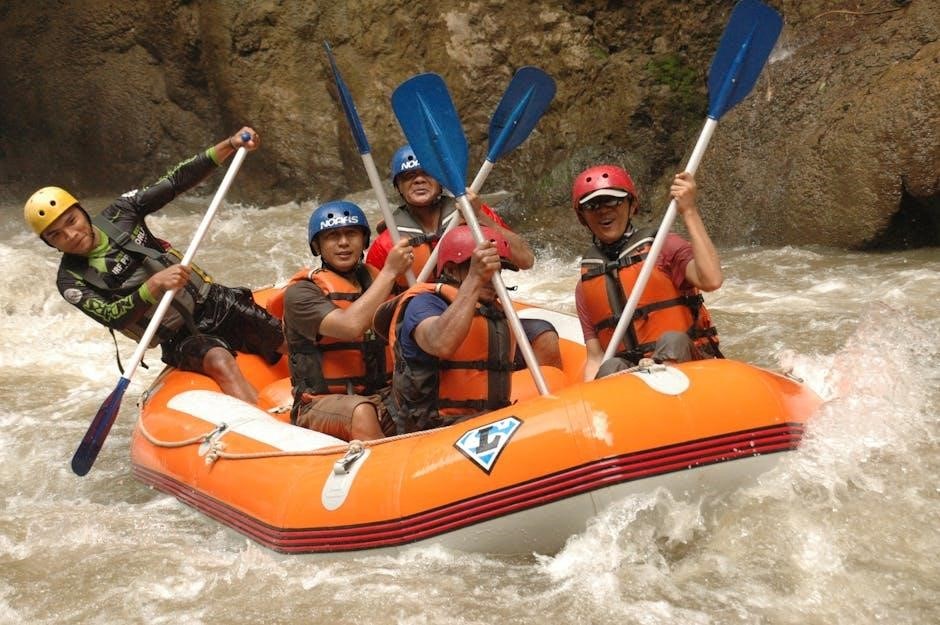
Tipping Additional Staff
Consider tipping drivers and support staff $5-$10 per person‚ per day‚ for their contributions. Recognizing their role enhances the overall experience and shows appreciation.
Gratitude extends beyond the guide‚ acknowledging everyone involved in a safe and enjoyable rafting adventure.
Should You Tip Other Crew Members?
Absolutely‚ extending gratuity beyond your raft guide is a thoughtful gesture. While the guide often receives the bulk of the tip‚ acknowledging other staff enhances their contributions. Drivers responsible for transportation to and from the river deserve recognition‚ typically around $5 to $10 per person‚ per day.
Support staff assisting with gear‚ logistics‚ or meals also benefit from small tips. These individuals contribute significantly to a smooth and enjoyable experience. A collective tip jar for these crew members is also common‚ allowing guests to contribute as they wish. Remember‚ showing appreciation for everyone involved fosters a positive atmosphere.
Tipping Drivers and Support Staff
Drivers ensuring safe transport to and from the rafting location typically receive $5 to $10 per person‚ per day. This acknowledges their role in a seamless adventure. Support staff assisting with gear preparation‚ meal service‚ or logistical tasks also merit consideration.
A small tip of $5 to $10‚ or contributing to a shared tip jar‚ is a kind gesture. These individuals contribute to the overall positive experience. Remember‚ exceptional service from anyone warrants a slightly higher tip. Gratuity demonstrates appreciation for their hard work and dedication to guest satisfaction.
Currency Considerations
Tipping in US dollars is common‚ but using local currency is often preferred and appreciated by guides;
Confirm the best option for the specific location of your rafting trip.
Tipping in US Dollars
While local currency is often favored‚ US dollars are generally accepted for tipping raft guides‚ particularly in tourist areas. However‚ be mindful that guides may incur exchange fees when depositing USD.
If using US dollars‚ ensure the bills are relatively new and in good condition‚ as older or damaged bills might be difficult to exchange. Consider the convenience for the guide; smaller denominations ($1‚ $5‚ $10) are often more useful for everyday expenses.
Ultimately‚ the gesture of gratitude is paramount‚ and a tip in USD is still a thoughtful acknowledgment of excellent service‚ even if local currency is preferred.
Tipping in Local Currency
Offering a tip in the local currency demonstrates respect and avoids potential exchange rate issues for the raft guide. It ensures they receive the full value of your gratitude without incurring bank fees or unfavorable conversion rates.
Before your trip‚ research the local currency and obtain some cash. Small bills are particularly appreciated‚ allowing guides flexibility for their own expenses.
Using local currency also supports the local economy directly. While USD might be accepted‚ prioritizing the local currency is a considerate practice that enhances the overall experience and shows genuine appreciation.
What About Group Trips?
For group adventures‚ decide whether to tip individually or collectively. Coordinating with your group ensures fairness and adequate compensation for the raft guide’s efforts.
Individual vs. Collective Tipping
Deciding between individual or collective tipping on a group rafting trip requires consideration. Individual tipping allows each participant to express their satisfaction based on personal experience‚ potentially leading to a higher overall amount if service was exceptional.
However‚ collective tipping simplifies the process‚ with the group agreeing on a total amount‚ often a percentage of the trip cost‚ and dividing it evenly. This approach avoids awkwardness and ensures the guide receives a substantial gratuity.
Communication is key; discuss preferences beforehand to reach a consensus and demonstrate a unified expression of gratitude for the guide’s expertise and service.
Coordinating with Your Group
Effective coordination is crucial when deciding on a group tip for your raft guide. Initiate a discussion early in the trip‚ perhaps during the safety briefing‚ to gauge everyone’s thoughts on a suitable amount.
Designate one person to collect contributions‚ ensuring transparency and fairness. A suggested range‚ like 15-20% of the trip cost‚ can serve as a starting point.
Consider using a mobile payment app for easy collection. Open communication prevents misunderstandings and ensures the guide receives a generous and appreciated gratuity reflecting the group’s collective enjoyment.

Alternatives to Cash Tips
Beyond cash‚ gift cards and online platforms offer convenient tipping options. These alternatives provide flexibility‚ especially when traveling or lacking sufficient currency.
Consider the guide’s preferences and the availability of these methods in the rafting location.
Gift Cards and Other Options
When cash isn’t ideal‚ gift cards to popular retailers or outdoor gear stores become thoughtful alternatives. These allow guides to select items they genuinely need or enjoy‚ extending the impact of your gratitude. Some outfitters may also offer pre-paid cards specifically for tipping their staff.
Small‚ practical gifts relevant to their profession – like high-quality sunscreen‚ a durable water bottle‚ or a headlamp – can also be appreciated. Remember to check with the rafting company regarding their policies on accepting gifts‚ ensuring compliance with any guidelines they may have in place. Ultimately‚ the gesture of appreciation is what matters most.
Online Tipping Platforms
Increasingly‚ rafting companies are integrating online tipping options into their payment systems. These platforms‚ often linked to services like Square or Venmo‚ provide a convenient and secure way to add a gratuity when settling your bill. This is particularly useful for contactless transactions and eliminates the need to carry sufficient cash.
Some companies may send a follow-up email with a direct link to tip your guide after the trip concludes. Utilizing these digital methods ensures the tip reaches the guide promptly and efficiently‚ streamlining the process for both parties involved. Check with your outfitter for available options.
Regional Variations in Tipping
Tipping practices can shift based on location and cultural norms. International trips may require adjusting amounts‚ while USD is common in America.
Always research local customs to ensure respectful and appropriate gratuity amounts for your raft guide’s excellent service.
Tipping Customs in Different Locations
Global rafting destinations exhibit diverse tipping expectations. In the US‚ a 15-20% gratuity is standard for commendable service‚ reflecting customary practice. However‚ venturing internationally necessitates adaptation. For instance‚ in some regions‚ a flat rate of $10-$15 USD per person per day might be more appropriate‚ particularly where wages differ significantly.
When rafting abroad‚ researching local norms is crucial. Some cultures may not traditionally tip‚ or have different percentage expectations. Always prioritize understanding the local etiquette to demonstrate respect and ensure your gratuity is well-received. Consider tipping in the local currency when feasible‚ as exchange rates can impact the amount received by the guide;
International Rafting Trips
Tipping on international rafting adventures requires careful consideration of local customs and economic factors. While a 15-20% guideline applies in the US‚ it’s often less relevant abroad. Researching typical gratuities in the destination country is essential. A flat rate‚ such as $10-$15 USD per person per day‚ can be a suitable alternative‚ especially in areas with lower average incomes.
Prioritize tipping in the local currency to avoid unfavorable exchange rates. Be mindful that guides may rely heavily on tips‚ so generosity is appreciated. Always confirm if service charges are already included before adding a gratuity‚ ensuring fair compensation for excellent service.
Unsafe Practices
If a raft guide exhibits unsafe practices‚ a reduced or even no tip is entirely justifiable. Prioritizing safety is paramount; a guide’s negligence jeopardizes your well-being. Document any concerns and report them to the outfitter immediately. While tipping acknowledges good service‚ it shouldn’t reward recklessness or disregard for established safety protocols.
Examples include ignoring safety briefings‚ operating under the influence‚ or failing to provide adequate instruction. A lack of professionalism directly impacts the experience and warrants withholding a gratuity. Your safety is more valuable than customary tipping expectations.
Poor Customer Service
Subpar customer service from a raft guide justifies a reduced tip‚ or even no tip at all. Rudeness‚ inattentiveness‚ or a general lack of effort to enhance the experience diminish the value of the trip. While water conditions and trip difficulty are factors‚ basic courtesy and professionalism are always expected.
If a guide is dismissive‚ unhelpful‚ or fails to address concerns‚ it reflects poorly on the outfitter. Communicate your dissatisfaction respectfully‚ but don’t feel obligated to reward poor service with a gratuity. Your satisfaction matters‚ and tipping should reflect that.
Lack of Professionalism
A raft guide exhibiting unprofessional behavior doesn’t deserve a standard tip. This includes unsafe practices‚ inappropriate language‚ or a failure to prioritize passenger safety. Professionalism encompasses clear communication‚ responsible river conduct‚ and a commitment to a positive experience for everyone onboard.
Guides should demonstrate expertise and maintain a respectful demeanor. If a guide appears unprepared‚ disregards safety protocols‚ or acts unprofessionally‚ it significantly impacts the trip’s quality. Reduced or omitted tips are justified when professionalism is absent‚ signaling dissatisfaction with the service provided.
The “Over-Tipping” Concept
Generosity is appreciated; there’s rarely “too much” when expressing gratitude. Extra tips acknowledge exceptional service‚ skillful navigation‚ and a truly memorable rafting adventure.
Going above the 15-20% guideline demonstrates sincere appreciation for a guide’s dedication and expertise.
Is There Such a Thing as Too Much?
Generally‚ exceeding a generous tip isn’t considered inappropriate; in fact‚ it’s warmly received. While a standard 15-20% is appreciated‚ exceeding this demonstrates exceptional gratitude for a truly outstanding experience. Guides often work tirelessly‚ ensuring safety and enjoyment‚ and a larger tip reflects that recognition.
If a guide went above and beyond – displaying incredible skill in challenging conditions‚ providing extensive knowledge‚ or creating a particularly memorable adventure – a higher tip is a wonderful way to show your appreciation. Consider a flat rate bonus or a significantly increased percentage if you feel compelled. Ultimately‚ tipping is a personal expression of thanks‚ and there’s rarely a limit to showing genuine gratitude.
Expressing Extra Gratitude
Beyond monetary tips‚ consider alternative ways to show appreciation for your raft guide’s efforts. A thoughtful thank-you note detailing specific aspects of the trip you enjoyed can be incredibly meaningful. Positive online reviews mentioning the guide by name also significantly boost their reputation and career.
Small gifts‚ like a gift card to a local coffee shop or outdoor gear store‚ can be a nice gesture. Remember‚ guides often share their passion and expertise‚ and acknowledging their dedication with sincere thanks‚ alongside a generous tip‚ creates a lasting positive impact. A verbal expression of gratitude goes a long way too!
Final Thoughts: Showing Appreciation
Ultimately‚ tipping your raft guide is a reflection of your satisfaction and a recognition of their hard work. While 15-20% serves as a solid guideline‚ adjust based on exceptional service‚ challenging conditions‚ or extensive knowledge shared. Remember guides rely on gratuities to supplement their income.
Don’t hesitate to exceed expectations if the experience truly exceeded yours! A generous tip demonstrates your gratitude and supports the continued provision of safe‚ enjoyable‚ and informative rafting adventures. Consider it an investment in future outdoor experiences for yourself and others.
Leave a Reply
You must be logged in to post a comment.