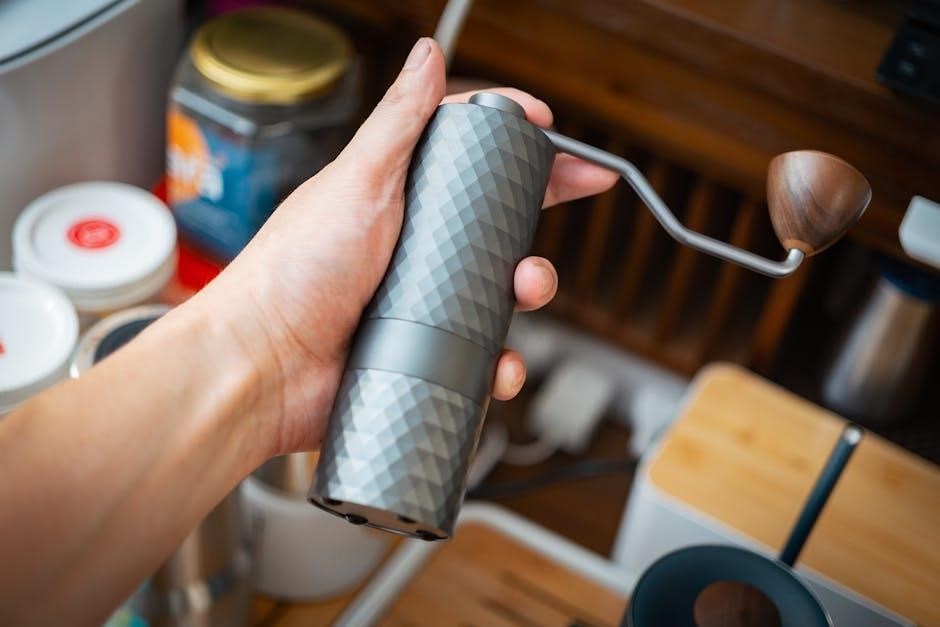
Navigating the world of coffee preparation often leads to a crucial decision: choosing between the convenience of electric grinders and the tactile experience of manual ones.
Freshly ground beans are paramount for exceptional coffee‚ yet the optimal grinding method depends heavily on individual preferences and lifestyle considerations.
The Importance of Freshly Ground Coffee
The cornerstone of a truly exceptional coffee experience lies in utilizing freshly ground beans. Pre-ground coffee rapidly loses its aromatic compounds and flavorful oils‚ diminishing the overall quality of your brew. Once exposed to air‚ these volatile elements begin to degrade‚ resulting in a stale and lackluster cup.
Grinding beans immediately before brewing unlocks their full potential‚ delivering a richer‚ more nuanced flavor profile. This is because the increased surface area created during grinding allows for optimal extraction during the brewing process. Whether you opt for the speed of an electric grinder or the control of a manual one‚ prioritizing fresh grinding is a simple yet transformative step towards elevating your daily coffee ritual. It truly rivals coffee shop quality!
Brief Overview of Electric Grinders
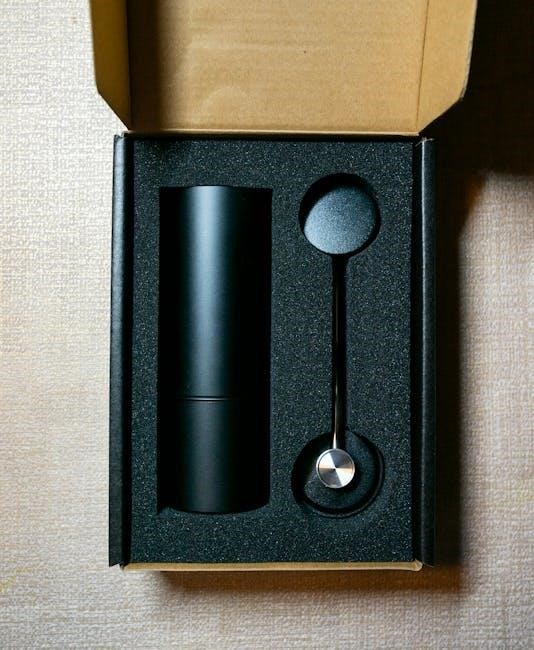
Electric coffee grinders represent the pinnacle of convenience for the modern coffee enthusiast. These appliances automate the grinding process‚ offering speed and efficiency with minimal effort. They range significantly in price and features‚ from basic blade grinders to sophisticated burr grinders capable of precise grind size adjustments.
Electric grinders are particularly well-suited for those who value consistency and brew coffee frequently. Many models boast programmable settings and timers‚ further streamlining the preparation process. Brands like Smeg‚ Fellow‚ Breville‚ and IZpresso are prominent players‚ offering a diverse selection to cater to various needs and budgets. They are a popular choice for daily use.
Brief Overview of Manual Grinders
Manual coffee grinders offer a more traditional and hands-on approach to coffee preparation. These grinders rely on human power‚ typically utilizing a hand crank or‚ less commonly‚ compatibility with a hand drill. They are celebrated for their portability‚ quiet operation‚ and often‚ a more affordable price point compared to their electric counterparts.
While requiring more physical effort‚ manual grinders provide a greater sense of control over the grinding process. They are ideal for travelers‚ campers‚ or anyone seeking a quieter‚ more deliberate coffee ritual. The quality of the grind depends on the grinder’s build and the user’s technique‚ offering a rewarding experience for dedicated coffee lovers.
Electric Coffee Grinders: A Detailed Look
Electric coffee grinders streamline the process with automated operation‚ offering speed and consistency. They come in various designs‚ catering to diverse budgets and coffee preferences.
Types of Electric Grinders
Electric coffee grinders broadly fall into two main categories: burr grinders and blade grinders. Understanding the distinction is crucial for achieving your desired coffee quality.
Burr grinders utilize two revolving abrasive surfaces (burrs) to crush coffee beans uniformly. This method preserves the coffee’s aroma and flavor‚ delivering a consistent grind size essential for optimal extraction. They are favored by coffee enthusiasts for their precision and ability to produce a clean‚ balanced cup.
Blade grinders‚ conversely‚ employ a spinning blade similar to a food processor. While more affordable‚ they chop the beans unevenly‚ resulting in inconsistent particle sizes. This inconsistency can lead to over-extraction of finer particles and under-extraction of coarser ones‚ impacting the final brew’s taste. They are generally considered less ideal for serious coffee drinkers.
Burr vs. Blade Grinders
The core difference between burr and blade grinders lies in their grinding mechanism and the resulting coffee quality. Burr grinders‚ employing two revolving abrasive surfaces‚ crush beans to a consistent size‚ preserving nuanced flavors.
These grinders offer adjustable grind settings‚ crucial for various brewing methods – from coarse for French press to fine for espresso. This precision ensures optimal extraction and a balanced cup. Blade grinders‚ however‚ chop beans with a spinning blade‚ creating an uneven grind.
This inconsistency leads to varied extraction rates‚ resulting in a muddied‚ bitter‚ or weak brew. While blade grinders are cheaper‚ the compromised flavor profile makes burr grinders the preferred choice for discerning coffee lovers seeking a superior taste experience;
Pros of Electric Coffee Grinders
Electric coffee grinders offer significant advantages for those prioritizing speed and convenience in their daily routine. They drastically reduce the effort required to grind beans‚ completing the task in seconds with the push of a button;
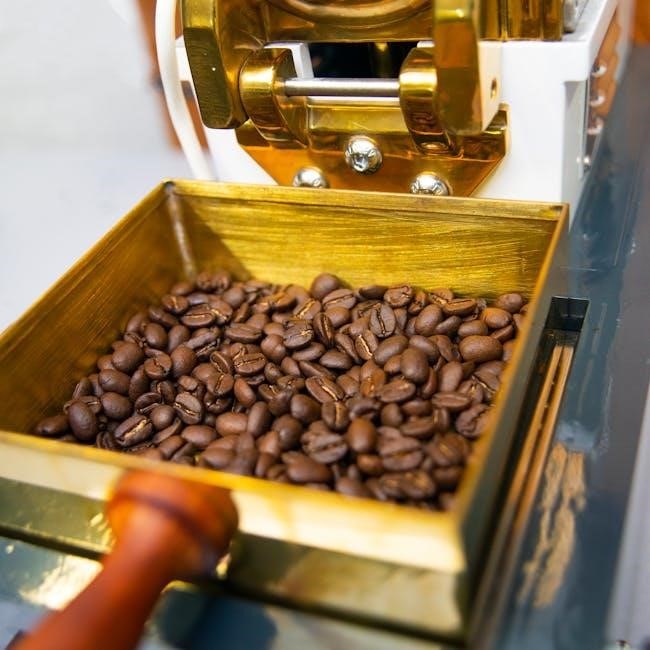
This efficiency is particularly valuable for busy mornings or when preparing coffee for multiple people. Furthermore‚ electric grinders‚ especially burr grinders‚ consistently deliver uniform grind sizes‚ crucial for optimal extraction and flavor.
Many models feature programmable settings‚ allowing users to easily switch between grind levels for different brewing methods. This consistency and ease of use make electric grinders a popular choice for both novice and experienced coffee enthusiasts.
Speed and Convenience
The most prominent benefit of electric coffee grinders is undoubtedly their speed and convenience. Unlike manual grinders that demand physical exertion and time‚ electric models automate the process entirely. With a simple press of a button‚ beans are ground in a matter of seconds‚ streamlining your morning routine.
This efficiency is a game-changer for busy individuals or those who frequently brew larger batches of coffee. Electric grinders eliminate the manual labor‚ allowing you to focus on enjoying your beverage rather than the preparation.
The ease of operation also extends to cleaning‚ with many models featuring removable parts for simple maintenance.
Consistency of Grind Size
Achieving a uniform grind size is critical for optimal coffee extraction‚ and electric grinders‚ particularly burr grinders‚ excel in this area. Burr grinders crush beans between two revolving abrasive surfaces‚ producing a remarkably consistent particle size. This consistency ensures even extraction‚ resulting in a balanced and flavorful cup of coffee.

While skilled users can achieve decent consistency with manual grinders‚ it requires significant practice and effort. Electric grinders offer a more reliable and repeatable outcome‚ minimizing the risk of inconsistent flavors due to uneven extraction.
This precision is especially important for brewing methods like espresso‚ which demand a very fine and uniform grind.
Cons of Electric Coffee Grinders
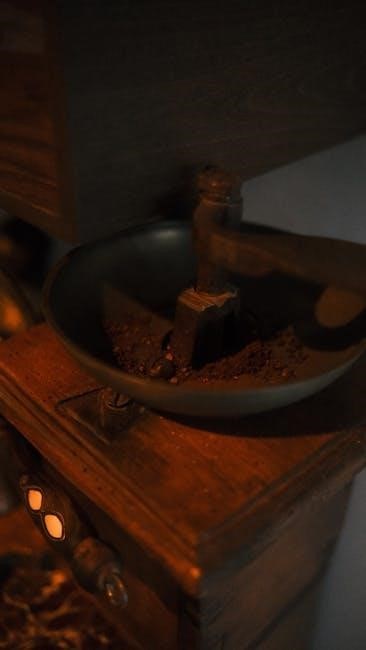
Despite their numerous advantages‚ electric coffee grinders aren’t without drawbacks. A significant concern is the cost; quality burr grinders can be a substantial investment‚ often exceeding the price of most manual options. Initial expense can be a barrier for casual coffee drinkers.
Another notable disadvantage is noise levels. Electric grinders‚ especially during operation‚ can generate considerable noise‚ potentially disrupting household members or neighbors. Furthermore‚ electric grinders require a power source‚ limiting their usability in off-grid locations or during power outages.
Finally‚ some models can be bulky‚ taking up valuable counter space.
Cost
The financial aspect of electric coffee grinders presents a considerable range. Basic blade grinders are relatively inexpensive‚ often available for under $50‚ making them accessible to budget-conscious consumers. However‚ these typically sacrifice grind consistency.
For those seeking superior quality and precision‚ burr grinders represent a significant investment. Quality electric burr grinders can range from $150 to upwards of $500‚ depending on features and brand reputation. This higher price point can be a deterrent for casual coffee drinkers or those just starting their home brewing journey.
Ultimately‚ the cost reflects the technology and build quality‚ impacting long-term performance and durability.
Noise Levels
Electric coffee grinders‚ particularly blade grinders‚ are notorious for their operational noise. The high-speed spinning blades create a significant whirring or grinding sound that can be disruptive‚ especially in quiet environments or early mornings. This noise can potentially disturb household members or neighbors.
Burr grinders‚ while generally quieter than blade grinders‚ still produce a noticeable sound during operation. The level of noise varies depending on the grinder’s design and motor‚ but it’s typically a consistent grinding hum.
In contrast‚ manual grinders operate virtually silently‚ offering a peaceful grinding experience. This makes them ideal for those sensitive to noise or who prefer a more tranquil coffee preparation process.
Manual Coffee Grinders: A Detailed Look
Manual coffee grinders offer a hands-on approach to achieving the perfect grind‚ relying on physical effort rather than electricity for a flavorful brew.
Types of Manual Grinders
Manual coffee grinders primarily fall into two distinct categories‚ each offering a unique grinding experience and catering to different preferences. The first‚ and perhaps most traditional‚ is the hand crank grinder. These grinders utilize a rotating handle that the user turns to operate the burrs‚ providing full control over the grinding process and speed.
The second type involves hand drill powered grinders. These innovative devices cleverly adapt a standard power drill to drive the grinding mechanism‚ significantly reducing the physical effort required. This method offers a faster grinding experience‚ especially beneficial for larger quantities of beans. However‚ it necessitates owning a compatible drill and requires careful speed control to avoid overheating or damaging the grinder.
Hand Crank vs. Hand Drill Powered
The core difference between hand crank and hand drill powered manual grinders lies in the effort and speed of operation. Hand crank grinders offer a deliberate‚ controlled experience‚ allowing users to feel the resistance and adjust their pace. This tactile feedback appeals to coffee enthusiasts who enjoy a more involved brewing ritual.
Conversely‚ hand drill powered grinders leverage the power of a drill‚ drastically reducing the physical exertion needed. While faster‚ this method requires careful attention to drill speed to prevent overheating the burrs or creating inconsistent grounds. The drill-powered option is ideal for those prioritizing efficiency‚ while the hand crank remains favored for its precision and connection to the grinding process.
Pros of Manual Coffee Grinders
Manual coffee grinders present a compelling set of advantages‚ particularly for coffee lovers valuing portability and a quiet brewing experience. Their compact size and lack of electrical components make them ideal travel companions‚ ensuring access to freshly ground coffee anywhere; Unlike their electric counterparts‚ manual grinders operate silently‚ respecting peaceful mornings or shared workspaces.
Furthermore‚ manual grinders often boast a lower price point‚ making them accessible to a wider range of budgets. The deliberate grinding process also fosters a deeper appreciation for the coffee-making ritual‚ connecting the user more intimately with each cup. These benefits combine to create a satisfying and versatile grinding solution.
Portability and Travel-Friendliness
Manual coffee grinders truly shine when it comes to portability‚ making them the perfect companion for travelers and outdoor enthusiasts. Their compact design and absence of electrical requirements eliminate the need for outlets or batteries‚ allowing for coffee grinding in remote locations. Whether camping‚ hiking‚ or simply traveling‚ a manual grinder ensures access to freshly ground beans wherever your adventures take you.
This convenience is unmatched by electric grinders‚ which are typically bulkier and require a power source. A manual grinder easily fits into a backpack or suitcase‚ offering a consistent coffee experience on the go. It’s a simple solution for maintaining your coffee ritual‚ regardless of location.
Quiet Operation
One of the most significant advantages of manual coffee grinders is their remarkably quiet operation. Unlike electric grinders‚ which can produce a considerable amount of noise during operation‚ manual grinders operate silently‚ relying solely on human power. This makes them ideal for those who prefer a peaceful morning routine or live in shared spaces where noise could be disruptive.
The absence of a motor eliminates the grinding sound‚ allowing you to enjoy a serene coffee preparation experience. This is particularly beneficial in apartments‚ dorm rooms‚ or early mornings when minimizing disturbance is crucial. Manual grinding offers a discreet and considerate way to enjoy freshly ground coffee without impacting those around you.
Cons of Manual Coffee Grinders
While offering several benefits‚ manual coffee grinders also present certain drawbacks. The most notable is the significant effort and time required to operate them. Grinding coffee by hand demands physical exertion‚ which can be tiring‚ especially when preparing larger batches or requiring a fine grind. This contrasts sharply with the speed and convenience of electric grinders.
Another challenge lies in achieving consistent grind size. Maintaining uniformity can be difficult‚ as it relies heavily on the user’s technique and stamina. Inconsistent grinds can negatively impact coffee extraction‚ leading to uneven flavor profiles. Furthermore‚ the physical demand can make manual grinding less appealing for daily use or for individuals with limited strength or mobility.
Effort and Time Required
A primary consideration with manual coffee grinders is the physical effort involved. Unlike their electric counterparts‚ they necessitate manual operation‚ demanding the user to actively crank or drill to grind the beans. This process can be considerably more time-consuming‚ particularly when preparing coffee for multiple people or desiring a larger quantity.
The amount of effort directly correlates with the grind size and bean type. Finer grinds and harder beans require significantly more force and time to achieve the desired consistency. This can be a deterrent for those seeking a quick and effortless morning coffee routine‚ making manual grinding less practical for daily use compared to the convenience of electric options.
Grind Consistency Challenges
Achieving a consistently uniform grind size presents a notable challenge with manual coffee grinders. Unlike electric burr grinders‚ which offer precise and repeatable results‚ manual grinders rely heavily on the user’s technique and consistency in applying force and speed during the grinding process.
Variations in pressure and rhythm can lead to an uneven grind‚ with a mix of coarse and fine particles. This inconsistency can negatively impact the coffee’s flavor‚ resulting in an unbalanced extraction and potentially bitter or sour notes. While skilled users can minimize these issues‚ it requires practice and attention to detail‚ something electric grinders inherently provide.
Key Factors to Consider When Choosing
Selecting the right grinder hinges on your budget‚ how often you brew‚ and the level of grind precision needed for your preferred coffee style.
Budget
The financial aspect is a significant driver in the coffee grinder decision. Manual coffee grinders generally represent a more affordable entry point‚ with decent options available for under $50‚ making them ideal for budget-conscious coffee enthusiasts.
Electric grinders‚ however‚ span a much wider price range. Basic blade grinders can be found at similar price points to manual options‚ but they often compromise on grind quality.
For consistent burr grinding – crucial for optimal flavor extraction – electric grinders typically start around $100 and can easily exceed $300 or even $500 for high-end models with advanced features. Therefore‚ carefully assess your spending limit and prioritize features accordingly.
Frequency of Use
How often you brew coffee significantly impacts the ideal grinder choice. If you’re a daily‚ multiple-times-a-day coffee drinker‚ the speed and convenience of an electric grinder become invaluable. The ability to quickly grind beans before each brew streamlines your morning routine and minimizes effort.
Conversely‚ if you only enjoy coffee occasionally‚ or brew smaller batches‚ a manual grinder presents a perfectly viable option. The initial effort required is less of a concern when not used frequently.
Consider your lifestyle; a busy schedule favors electric‚ while a more relaxed pace allows for the deliberate process of manual grinding.
Desired Grind Consistency

The level of grind consistency you require is a critical factor in selecting a coffee grinder. Burr grinders‚ commonly found in electric models‚ generally excel at producing a uniform grind size‚ essential for optimal extraction and flavor. This consistency is particularly important for espresso‚ demanding precise particle size.
Manual grinders‚ while capable of achieving excellent results‚ often require more technique and effort to attain the same level of consistency. Blade grinders‚ a less expensive electric option‚ produce an inconsistent grind‚ impacting coffee quality.
If you prioritize precision and repeatable results‚ an electric burr grinder is the superior choice.

Which Grinder is Right for You?
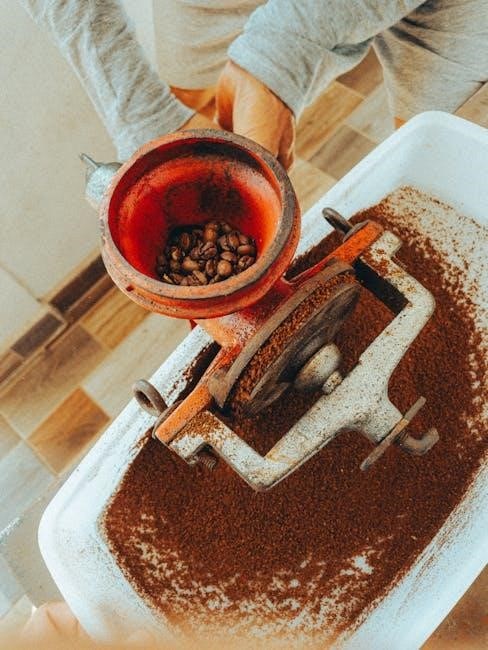
Ultimately‚ the best coffee grinder hinges on your individual needs and priorities. Electric grinders offer speed‚ convenience‚ and consistent results‚ making them ideal for daily use and those prioritizing efficiency. However‚ they come with a higher price tag and can be noisy.
Manual grinders shine in portability‚ quiet operation‚ and affordability‚ appealing to travelers and those who enjoy a more deliberate brewing process. They demand more effort but provide a rewarding experience.
Consider your budget‚ frequency of use‚ and desired grind consistency to make an informed decision.
Leave a Reply
You must be logged in to post a comment.