Kinesiology Taping Guide: A Comprehensive Overview
Kinesiology taping is a rehabilitative taping technique utilized by athletes and therapists, offering support and pain relief; courses are available for professionals.
What is Kinesiology Taping?
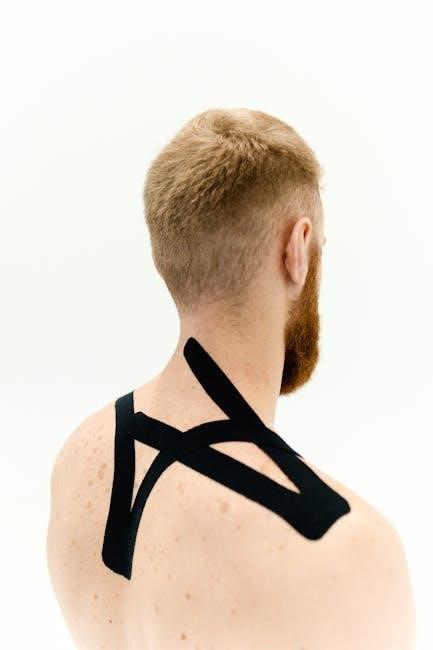
Kinesiology taping is a therapeutic method employing elastic, adhesive tape – often brightly colored – applied directly to the skin. Unlike traditional athletic tape which restricts movement, kinesiology tape aims to support muscles and joints while allowing a full range of motion. It’s frequently used by athletes, physical therapists, and healthcare professionals to address a variety of musculoskeletal issues.

This technique isn’t merely about providing external support; it’s designed to interact with the body’s natural healing processes. Courses, like those for qualified Occupational Therapists and Physiotherapists, delve into the concepts and practical application of these techniques. The goal is to alleviate pain, reduce inflammation, enhance performance, and aid in injury prevention. It’s a versatile tool applicable across diverse sports and rehabilitation settings, offering a non-invasive approach to wellness.
History and Development of Kinesiology Taping
Kinesiology taping’s origins trace back to Dr. Kenzo Kase in Japan during the 1970s. Observing the body’s natural healing capabilities, he sought a tape that wouldn’t restrict movement but rather support the body’s own processes. Traditional athletic taping often limited range of motion, hindering recovery. Dr. Kase developed a unique elastic cotton strip with an acrylic adhesive designed to mimic the elasticity of human skin.
Initially, the tape gained traction in Japan, particularly within the sports medicine community. Its introduction to the Western world occurred during the 2008 Beijing Olympics, where athletes were visibly sporting the colorful tape. This exposure sparked widespread interest and adoption. Since then, kinesiology taping has evolved, with ongoing research and education – including specialized courses for therapists – refining application techniques and expanding its therapeutic scope.
Kinesiology Taping Materials and Properties
Kinesiology tape is typically crafted from a thin, elastic cotton strip, offering substantial stretch – often around 120-150% of its original length. This elasticity is crucial, allowing the tape to move with the body, unlike rigid athletic tapes. The tape’s adhesive is acrylic-based, designed to be gentle on the skin while maintaining secure adhesion, even during vigorous activity and when exposed to water.
Variations exist in tape composition, including different cotton fiber densities and adhesive formulations. Some tapes incorporate additional properties, such as moisture-wicking capabilities or hypoallergenic materials. The tape’s breathability is also a key feature, preventing excessive sweating and skin irritation; Quality kinesiology tape should be latex-free and designed to comfortably conform to body contours, facilitating optimal therapeutic effects.
How Kinesiology Tape Works: The Mechanisms
Kinesiology tape operates through several interconnected physiological mechanisms. Primarily, it lifts the skin, creating space between the skin and underlying tissues – this decompression can reduce pain and inflammation by improving circulation and lymphatic drainage. The tape’s elastic properties provide external support to muscles, without restricting their full range of motion, facilitating muscle function and reducing fatigue.
Furthermore, kinesiology tape influences proprioception, enhancing the body’s awareness of its position in space. This improved proprioceptive feedback can contribute to better movement patterns and injury prevention. The tape also interacts with the nervous system, potentially modulating pain signals and reducing muscle spasms. These combined effects contribute to the tape’s versatility in addressing a wide range of musculoskeletal conditions.
Basic Principles of Application
Effective kinesiology taping relies on understanding core application principles. Proper preparation is crucial; skin should be clean, dry, and free of oils or lotions for optimal adhesion. The application process involves three key steps: anchoring the tape at both ends without stretch, applying stretch to the mid-portion based on the desired effect (muscle support or lymphatic drainage), and gently removing the paper backing while maintaining the stretch.
Direction of application is also vital – consider the direction of muscle fibers or lymphatic flow. Generally, applications follow muscle length or lymphatic pathways. Understanding these principles, alongside individual anatomy and the specific condition being addressed, ensures safe and effective taping outcomes. Courses provide detailed instruction on these techniques.
Tape Preparation and Skin Considerations
Prior to application, meticulous skin preparation is paramount for successful kinesiology taping. The skin must be thoroughly cleansed to remove any oils, lotions, or dirt that could impede adhesion. Alcohol wipes are often used, but ensure complete evaporation before proceeding. Individuals with sensitive skin may benefit from a pre-tape adhesive spray to enhance grip and minimize irritation.
Consider the presence of hair; excessive hair can reduce tape adherence. Shaving the application area may be necessary, but caution should be exercised to avoid skin abrasions. Assess skin integrity – avoid applying tape over open wounds, rashes, or areas of significant inflammation. Proper preparation maximizes tape effectiveness and minimizes potential adverse reactions.
Anchor, Stretch, and Direction of Application
Effective kinesiology taping hinges on mastering the anchor, stretch, and direction principles. Begin by applying the first two inches of tape – the ‘anchor’ – without any stretch, securing the base. Subsequently, apply the tape with a desired stretch, typically ranging from 0% to 75%, depending on the intended effect; muscle support often requires moderate stretch, while lymphatic drainage utilizes minimal stretch.
The direction of application is crucial. Follow the anatomical pathways of muscles or lymphatic vessels. Generally, apply tape from origin to insertion for muscle facilitation, and insertion to origin for inhibition. Proper technique, as demonstrated in courses, ensures optimal results. Remember to gently rub the tape after application to activate the heat-sensitive adhesive.
Common Kinesiology Taping Techniques
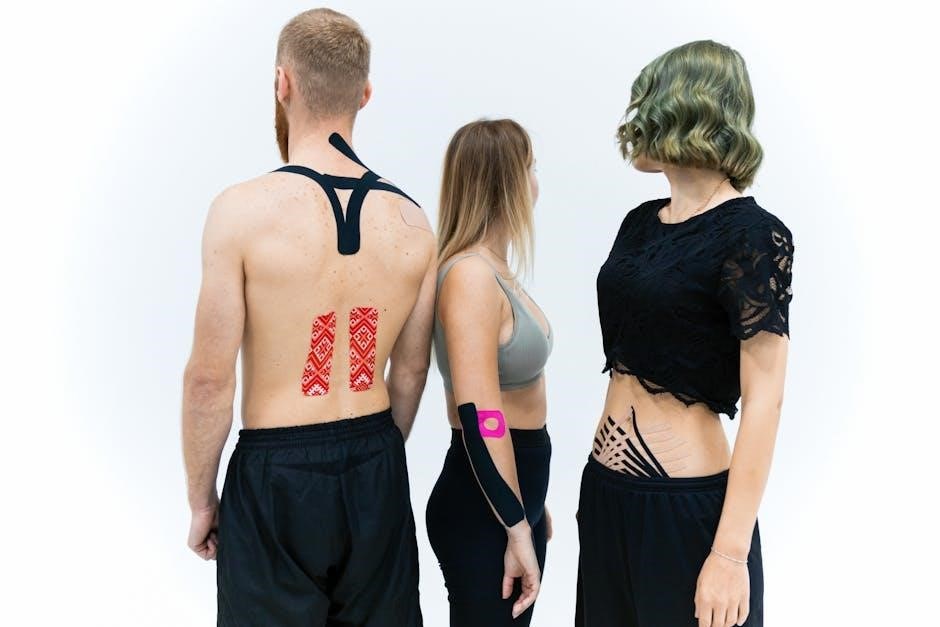
Kinesiology taping offers diverse techniques tailored to specific needs. For muscle support and facilitation, tape is applied with moderate stretch along the muscle fibers, enhancing contraction. To address pain relief and inflammation reduction, techniques like space correction or wrinkle techniques create lift, decompressing tissues and improving circulation. These methods are frequently employed in athletic rehabilitation programs.
Lymphatic drainage utilizes gentle, minimal-stretch applications, directing tape from distal to proximal areas to encourage fluid movement. Qualified therapists learn these techniques through specialized courses, understanding how to modify applications based on individual assessments. Proper application, as taught in kinesiology taping education, is vital for achieving desired outcomes and mitigating injury.
Tape for Muscle Support and Facilitation
Kinesiology tape, when applied for muscle support, aims to enhance natural muscle function rather than restrict movement. The technique typically involves applying the tape with a gentle to moderate stretch along the muscle belly, mirroring its natural direction of pull. This application assists muscle contractions, potentially improving performance and reducing fatigue during activity.
Facilitation focuses on weak or inhibited muscles, using tape to provide proprioceptive feedback, reminding the nervous system to activate the muscle more effectively. Proper anchoring of the tape – the initial portion applied without stretch – is crucial for optimal results. Courses emphasize individualized assessment to determine the appropriate stretch and direction for each muscle, maximizing support and function.
Tape for Pain Relief and Inflammation Reduction
Kinesiology taping can effectively alleviate pain and reduce inflammation by influencing the body’s natural healing processes. Applying tape with a gentle stretch to the skin is believed to lift it, creating space between the skin and underlying tissues. This decompression can improve circulation, reducing swelling and promoting lymphatic drainage – key factors in inflammation control.
The tape’s elastic properties provide gentle support without restricting range of motion, allowing for continued activity while minimizing discomfort. Techniques often involve applying tape around the affected area, directing the stretch towards lymphatic pathways. Specialized courses teach practitioners to assess individual needs and tailor applications for optimal pain management and accelerated recovery, supporting chest physical therapy programs.
Tape for Lymphatic Drainage
Kinesiology taping significantly aids lymphatic drainage, a crucial process for removing waste and toxins from the body. The application technique involves using specific stretch levels and directions to lift the skin, creating more space for lymphatic fluid to flow freely. This decompression effect reduces pressure on lymphatic vessels, enhancing their ability to transport fluids.
Tape is typically applied with minimal stretch at the anchor points and increasing stretch as it moves towards the drainage area, guiding fluid towards lymph nodes. This is particularly beneficial in reducing swelling and inflammation post-injury or surgery. Courses emphasize proper assessment to identify lymphatic pathways and customize tape applications for optimal results, complementing chest physical therapy programs and promoting overall well-being.
Kinesiology Taping for Specific Body Areas
Kinesiology taping applications vary significantly depending on the targeted body area and the specific condition being addressed. For shoulder taping, techniques focus on supporting muscles like the deltoid and rotator cuff, improving stability and reducing pain. Knee taping commonly addresses patellar tracking issues, ligament support, and muscle imbalances, aiding athletic performance and injury prevention.
Lower back taping aims to stabilize the lumbar spine, reduce muscle spasms, and alleviate pain. Qualified therapists and practitioners, often through specialized courses, learn to tailor applications based on individual anatomy and biomechanics. Effective taping requires a thorough understanding of muscle function and lymphatic pathways, ensuring optimal support and facilitating natural healing processes.
Shoulder Taping Applications
Shoulder taping with kinesiology tape is frequently employed to address a range of conditions, including rotator cuff strains, shoulder impingement, and instability. Applications often involve supporting the deltoid muscle to enhance its function and reduce strain. Techniques also target the trapezius and rhomboids, promoting proper scapular movement and posture.
Specific taping patterns can facilitate muscle activation or inhibition, depending on the desired effect. For instance, applying tape with stretch can encourage muscle contraction, while relaxing the tape can reduce muscle tension. Proper assessment by a qualified therapist is crucial to determine the appropriate taping strategy. Courses for occupational therapists and physiotherapists provide in-depth training on these techniques, ensuring safe and effective application.
Knee Taping Applications
Kinesiology taping for the knee is a popular method for supporting the joint and managing pain associated with conditions like patellofemoral pain syndrome, ligament sprains, and muscle strains. Common applications focus on the quadriceps, hamstrings, and patella, aiming to improve muscle function and joint stability.
Taping techniques can be tailored to address specific biomechanical issues. For example, tape can be applied to correct patellar tracking or to provide support to the medial or lateral collateral ligaments. The application involves precise anchor points, appropriate stretch levels, and directional taping to achieve the desired therapeutic effect. Qualified professionals, through specialized courses, learn to assess and implement these techniques effectively, minimizing injury risk and maximizing performance.
Lower Back Taping Applications
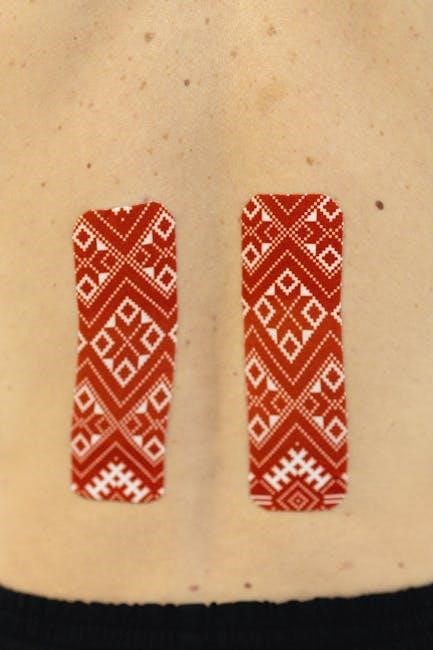
Kinesiology taping for the lower back aims to provide support, reduce pain, and improve muscle function in individuals experiencing lower back pain or discomfort. Techniques often target the erector spinae muscles, multifidus, and quadratus lumborum, focusing on stabilizing the spine and enhancing proprioception.

Applications can vary depending on the specific cause of the pain. Tape may be applied to facilitate muscle activation, reduce inflammation, or provide postural correction. Proper application requires understanding of muscle anatomy and biomechanics, often gained through specialized kinesiology taping courses. Professionals assess individual needs and tailor the taping technique accordingly, ensuring optimal support and pain relief while promoting natural movement patterns.
Kinesiology Taping for Injury Prevention
Kinesiology taping plays a proactive role in injury prevention by supporting muscles and joints during physical activity. By enhancing proprioception – the body’s awareness of its position in space – taping can improve movement patterns and reduce the risk of strain or sprain. Athletes and active individuals utilize taping to stabilize vulnerable areas, like ankles or shoulders, before engaging in strenuous exercise.
The tape’s elastic properties allow for a full range of motion while providing gentle guidance and support. This is crucial for maintaining optimal biomechanics and preventing overuse injuries. Courses teach practitioners to assess movement imbalances and apply tape strategically to address these issues, ultimately contributing to a safer and more effective training regimen.
Kinesiology Taping and Athletic Performance
Kinesiology taping isn’t solely for injury recovery; it’s increasingly used to enhance athletic performance. By facilitating muscle function, the tape can improve power output and efficiency of movement. Athletes report benefits such as increased endurance, reduced muscle fatigue, and improved flexibility when utilizing taping techniques.
The tape’s ability to lift the skin creates space between the skin and underlying tissues, potentially improving blood flow and lymphatic drainage, which aids in recovery. Proper application, learned through specialized courses, is key to maximizing these benefits. While research is ongoing, many athletes incorporate taping into their training routines to gain a competitive edge, believing it optimizes their physical capabilities.
Contraindications and Precautions
Kinesiology taping is generally safe, but certain conditions require caution or contraindicate its use. Avoid applying tape over open wounds, infected skin, or areas with acute inflammation. Individuals with fragile skin, allergies to the adhesive, or circulatory problems should consult a healthcare professional before use.
Precautions include monitoring for skin irritation or allergic reactions. Diabetics and those with peripheral neuropathy require careful assessment due to potential sensory deficits. Avoid deep stretching of the tape, as it can cause skin trauma. Proper training, often obtained through certified courses, is crucial to understand these limitations and ensure safe, effective application. Always prioritize patient safety and individual needs.
Potential Side Effects of Kinesiology Taping
Kinesiology taping typically has minimal side effects, but some individuals may experience mild skin irritation, redness, or itching at the application site. This is often due to adhesive sensitivity and usually resolves within a few days. Rarely, blistering can occur, particularly with improper application or excessive skin stretching.
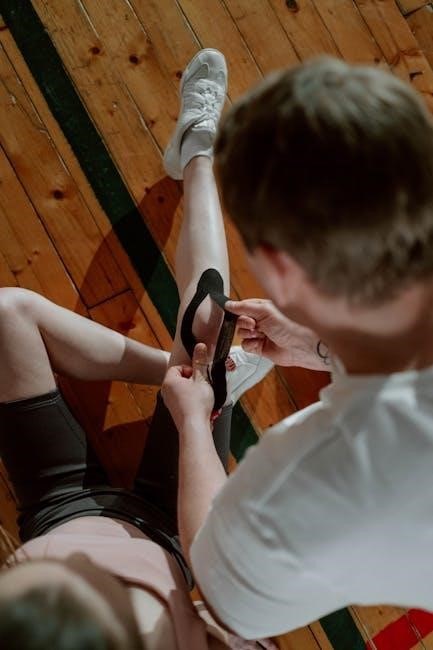
Individuals with sensitive skin should test a small area before full application. If significant discomfort, swelling, or signs of infection develop, the tape should be removed immediately. Proper removal technique is important to avoid skin damage. While uncommon, allergic reactions to the adhesive are possible. Consulting a healthcare professional is advised for persistent or severe reactions.
Kinesiology Taping vs. Traditional Athletic Taping
Traditional athletic taping primarily provides rigid support, limiting range of motion to stabilize an injury. It’s often used for acute injuries requiring significant immobilization. Kinesiology taping, conversely, utilizes elastic tape designed to support muscles and joints without restricting full movement. It aims to facilitate natural healing processes and improve proprioception.
Unlike the restrictive nature of traditional tape, kinesiology tape allows for a greater range of motion while providing support. It can also influence pain pathways and lymphatic drainage. While traditional taping is ideal for immediate stability, kinesiology tape is often favored for ongoing rehabilitation and performance enhancement. Both methods have their place, depending on the injury and desired outcome.
Kinesiology Taping Courses and Certification
Kinesiology taping education is crucial for safe and effective application. Numerous courses are available, ranging from introductory workshops to advanced certifications, often geared towards qualified Occupational Therapists and Physiotherapists. These programs cover taping techniques, anatomy, and biomechanics, emphasizing both theoretical knowledge and hands-on practice.
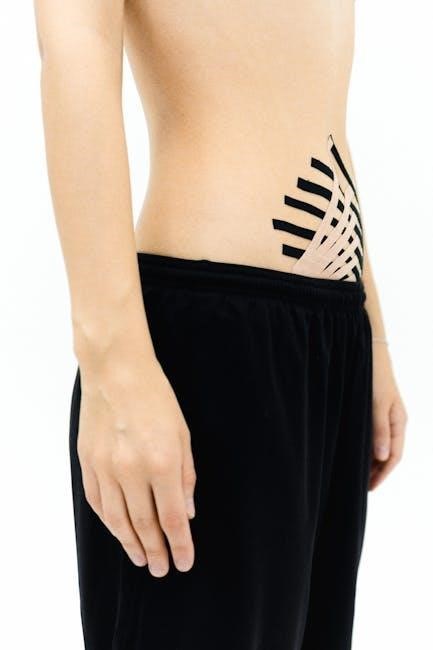
Finding reputable education is paramount; look for courses offering comprehensive curricula and experienced instructors. Some certifications are more widely recognized than others within the healthcare and athletic training communities. A one-day face-to-face course can provide a foundational understanding, while more extensive programs delve into fascial correction and neuromuscular re-education. Proper training ensures practitioners can appropriately assess and address patient needs.
Finding Reputable Kinesiology Taping Education
Selecting a quality kinesiology taping course requires careful consideration. Prioritize programs offering a blend of theoretical instruction and substantial hands-on practice. Look for courses taught by experienced and certified instructors with a strong background in anatomy, physiology, and biomechanics. A comprehensive curriculum should cover various taping techniques for different conditions and body areas.
Investigate the course provider’s credentials and accreditation. Seek out programs that align with evidence-based practices and offer continuing education credits. Check for testimonials and reviews from previous participants. Ensure the course provides adequate support and resources post-completion. A reputable program will equip you with the knowledge and skills to apply kinesiology tape safely and effectively, enhancing patient care and athletic performance.
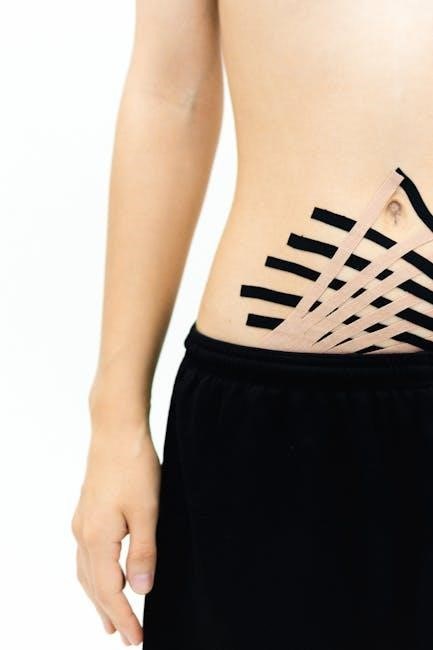
Research and Evidence-Based Practice
The field of kinesiology taping is continually evolving, with ongoing research exploring its efficacy. While anecdotal evidence and practitioner experience are valuable, basing practice on robust scientific evidence is crucial. Studies have investigated the effects of kinesiology tape on pain, muscle function, lymphatic drainage, and athletic performance.
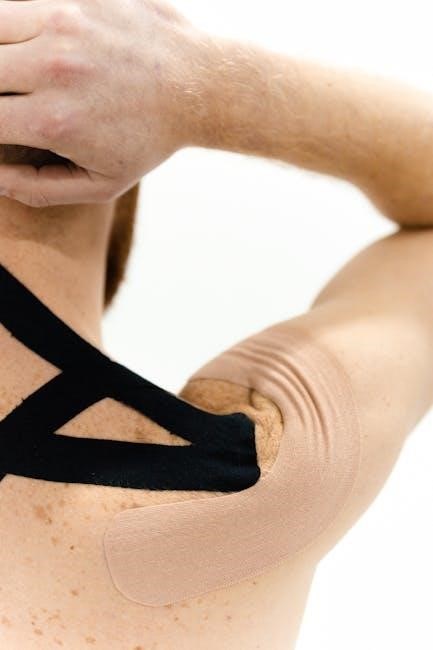
Current research suggests that the benefits of kinesiology taping may be attributed to neurosensory effects, rather than purely mechanical support; These effects can influence pain perception, muscle activation, and proprioception. Practitioners should stay updated on the latest research findings and critically evaluate the evidence before implementing taping techniques. A commitment to evidence-based practice ensures optimal patient outcomes and responsible application of this therapeutic modality.
Advanced Kinesiology Taping Concepts
Beyond basic applications, advanced kinesiology taping delves into sophisticated techniques like fascial correction and neuromuscular re-education. Fascial correction utilizes tape to address restrictions within the fascial system, aiming to restore optimal movement patterns and reduce pain. This involves applying tape with specific tensions and directions to influence fascial hydration and release.
Neuromuscular re-education employs taping to enhance proprioception and improve muscle activation patterns. By strategically applying tape, practitioners can facilitate weakened muscles or inhibit overactive ones, promoting more efficient movement. These advanced concepts require a deeper understanding of anatomy, biomechanics, and neurophysiology, often gained through specialized training and continuing education courses for qualified therapists.
Fascial Correction with Kinesiology Tape
Fascial correction with kinesiology tape addresses restrictions within the body’s connective tissue network – the fascia. This technique aims to restore optimal movement and reduce pain by influencing fascial hydration and releasing adhesions. Application involves strategically applying tape with varying tensions and directions, mimicking the lines of fascial pull.
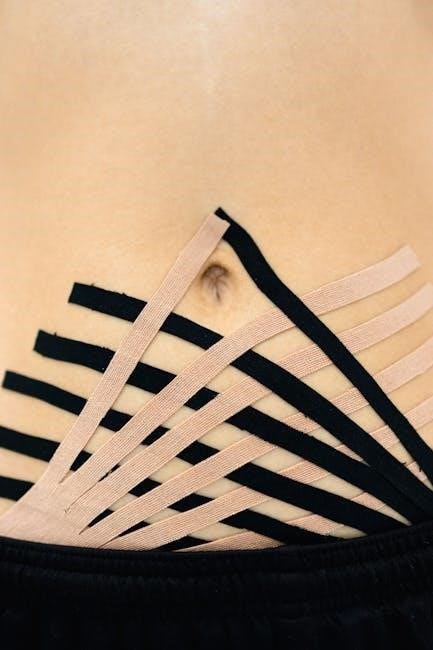
The goal is to lift the skin, creating space and improving fluid exchange within the fascia. Different taping techniques, such as I-strip, X-strip, or fan-cut applications, are utilized based on the specific fascial restriction being addressed. Practitioners must possess a thorough understanding of fascial anatomy and biomechanics to effectively implement these advanced techniques, often requiring specialized training beyond basic kinesiology taping certification.
Neuromuscular Re-education with Kinesiology Tape
Neuromuscular re-education utilizing kinesiology tape focuses on restoring proper muscle activation patterns and improving proprioception – the body’s awareness of its position in space. Tape application can facilitate weakened muscles or inhibit overactive ones, aiding in the retraining of neurological pathways.
This is achieved by influencing sensory receptors in the skin and muscles, providing feedback to the central nervous system. Techniques often involve applying tape with specific stretch levels to either enhance muscle contraction or reduce excessive tone. It’s frequently used post-injury or surgery to help patients regain functional movement and coordination, complementing traditional rehabilitation exercises. Effective application requires a strong understanding of neurophysiology and movement science, often gained through advanced coursework.
Leave a Reply
You must be logged in to post a comment.